Neck Pain While at Work
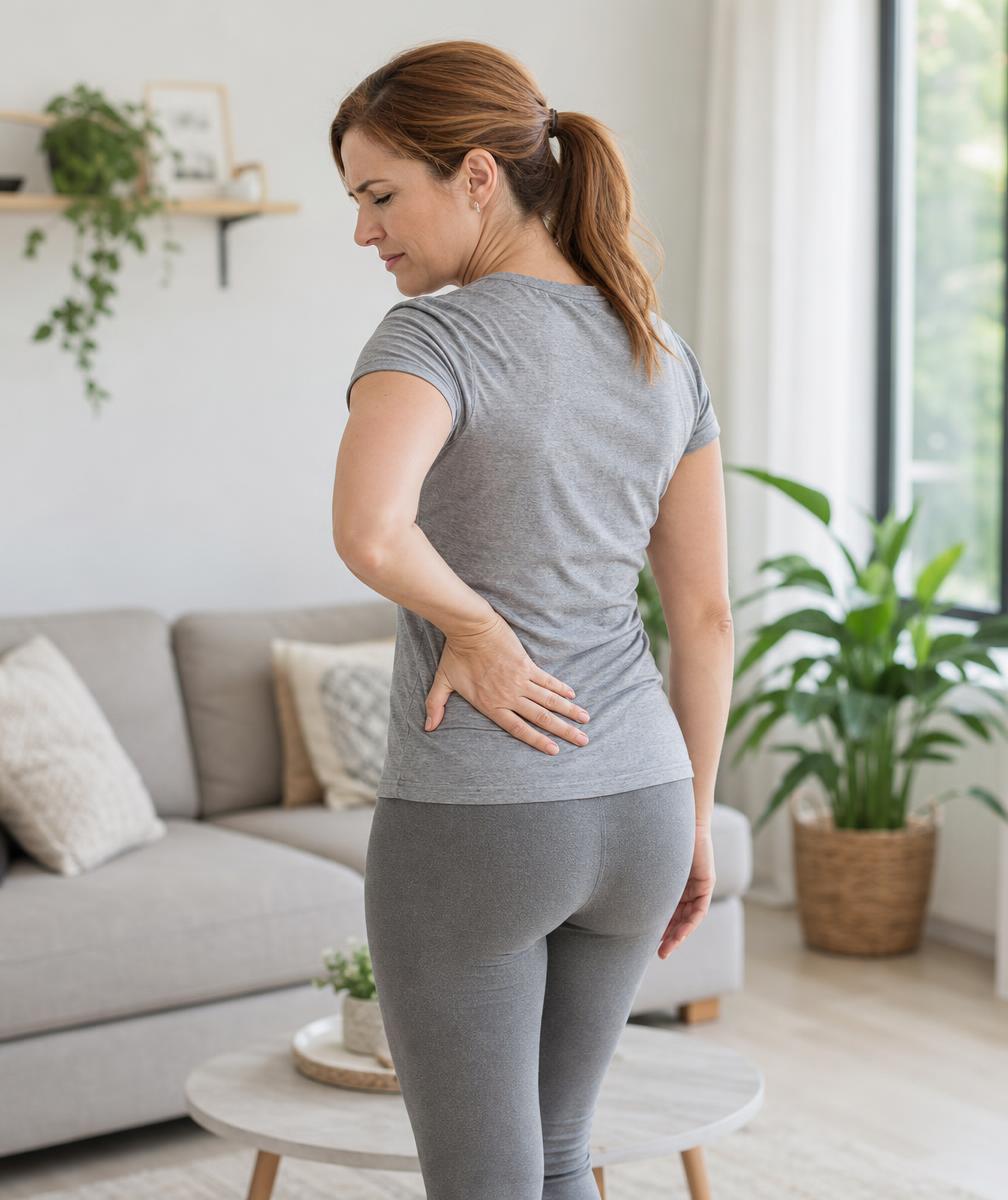
Desk work loads the neck with forward-head posture, low screens, and phones held in the crook of the shoulder.
Overview
What This Symptom May Mean
Neck pain at work is one of the most common musculoskeletal complaints, and it's very responsive to posture, ergonomics, and short movement breaks.
Small changes — screen height, headset, chair — add up quickly.
Possible Causes
Conditions Commonly Associated With This Symptom
Neck Strain
Overloaded neck muscles from posture, sleep position, or repetitive strain.
Read about Neck Strain →Upper Back Tension
Between-the-shoulder-blades tightness, often from desk posture.
Read about Upper Back Tension →Arthritis
Wear-and-tear changes in the spine's small joints.
Read about Arthritis →Pinched Nerve
A nerve root is compressed, causing shooting or burning symptoms.
Read about Pinched Nerve →Bulging Disc
A disc gently bulges out of place, sometimes pressing on tissue.
Read about Bulging Disc →
Occurs With
Symptoms That Commonly Occur Together
- Neck stiffness by mid-afternoon
- Tension headaches
- Sore trapezius
- Tightness between shoulder blades
Common Triggers
When This Symptom Tends to Show Up
Desk Work
Screen posture and long typing sessions strain neck and upper back.
Prolonged Sitting
Long stretches at a desk or on the couch load the low back.
Driving
Fixed seating and vibration aggravate back and neck tissues.
Recommended
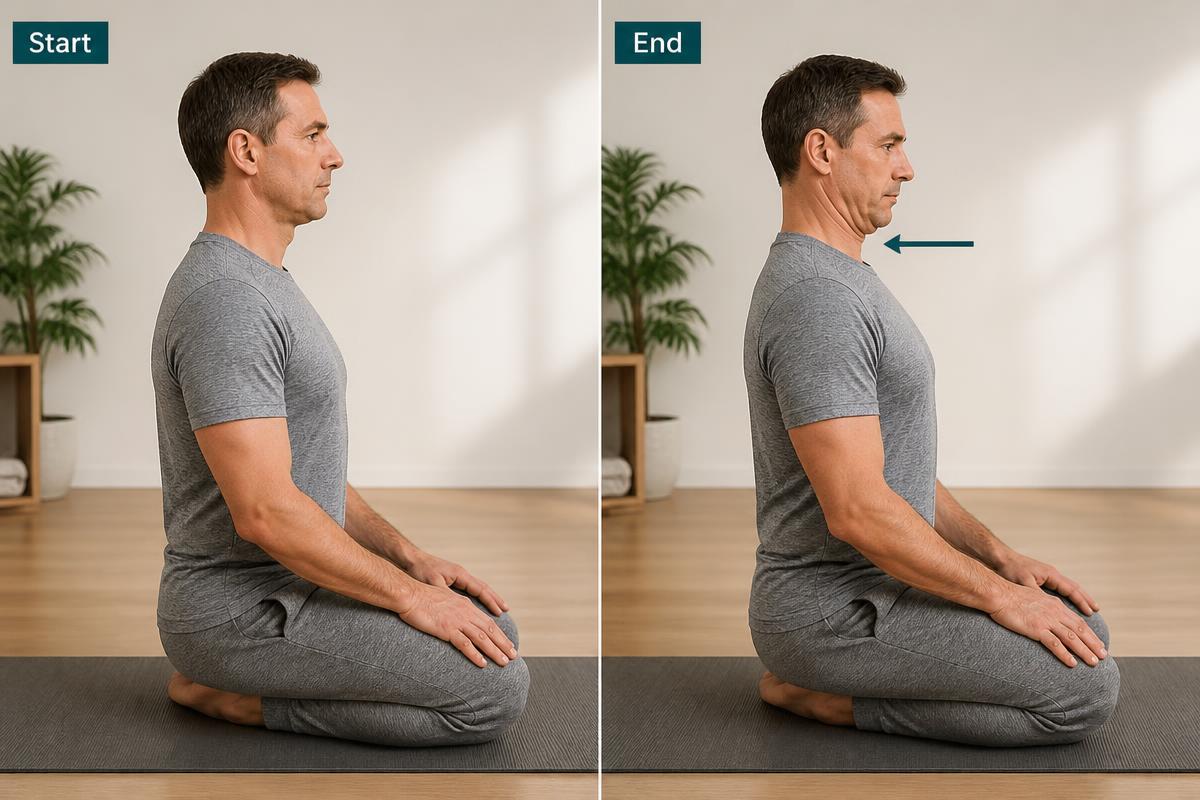
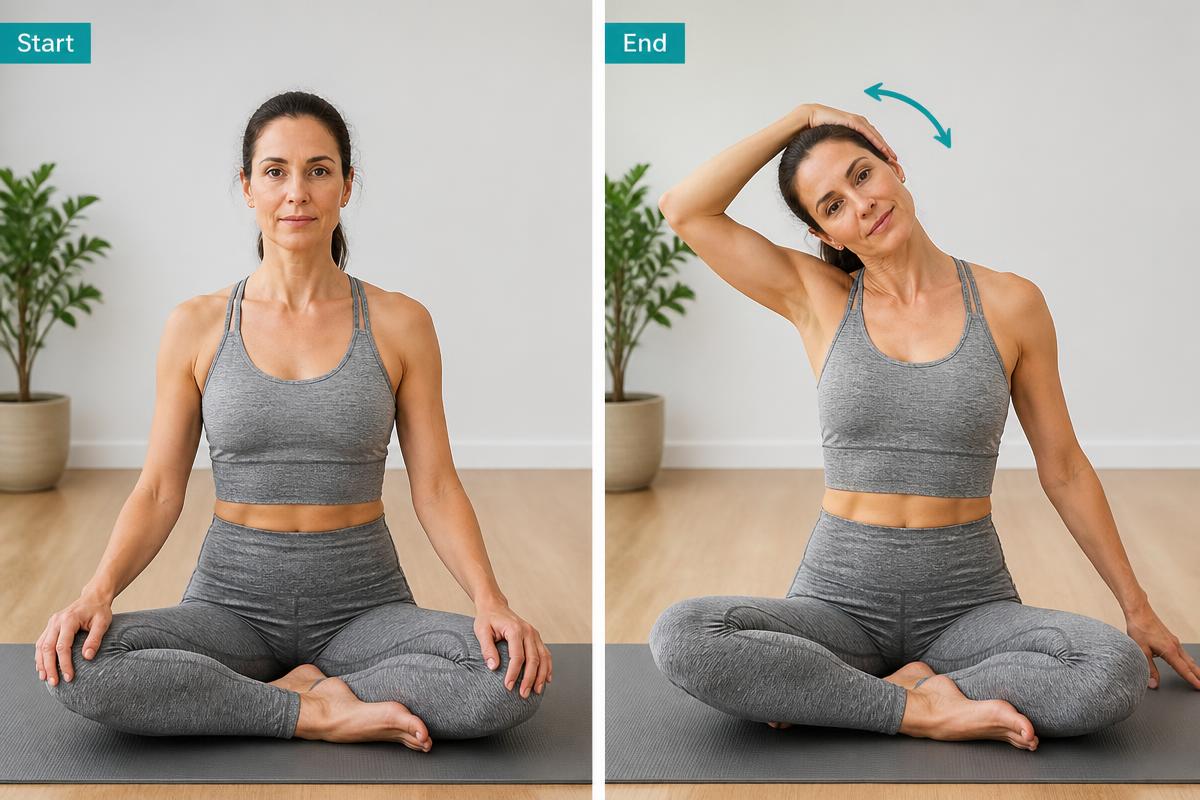
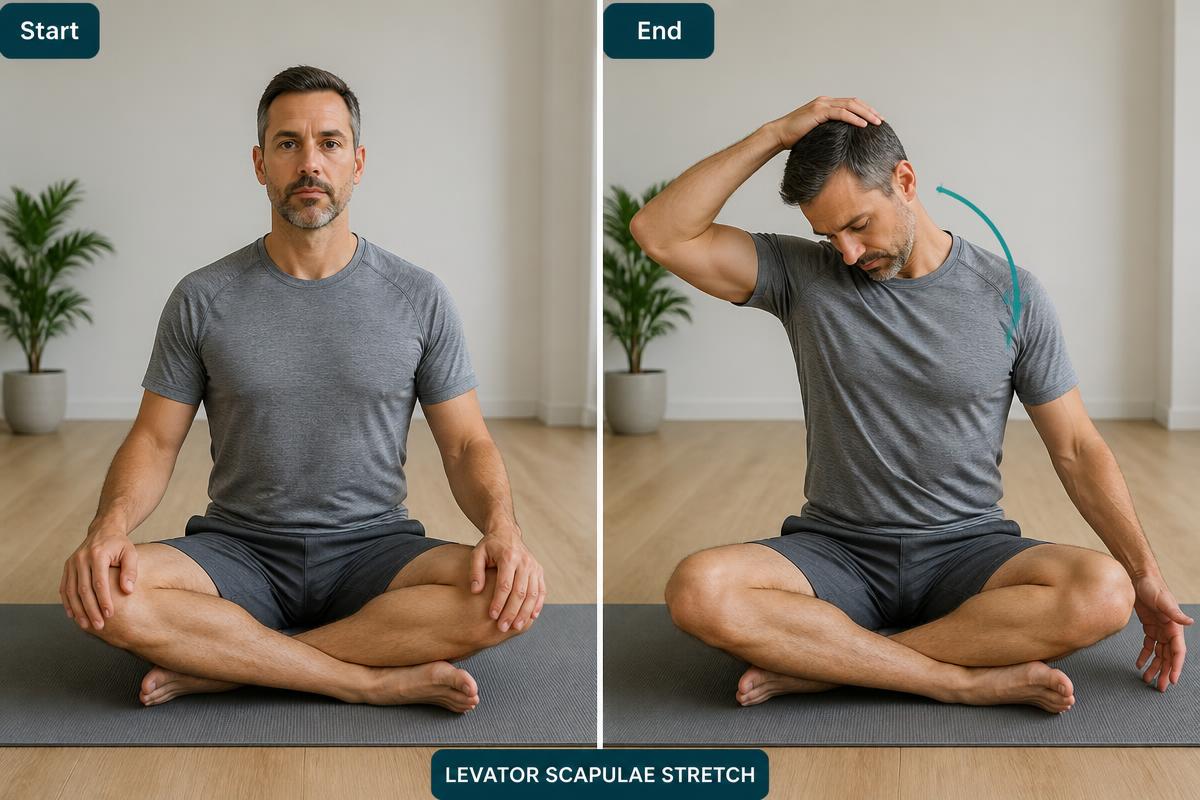
Stretches That May Help
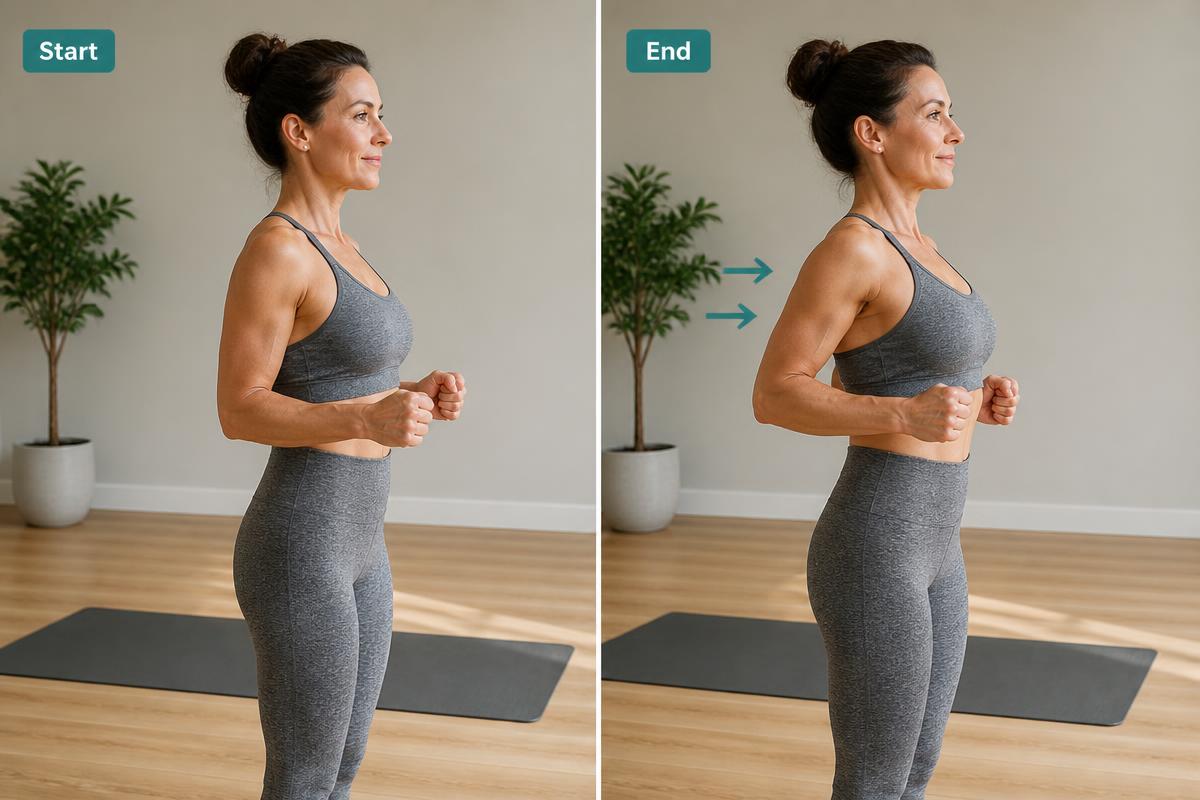
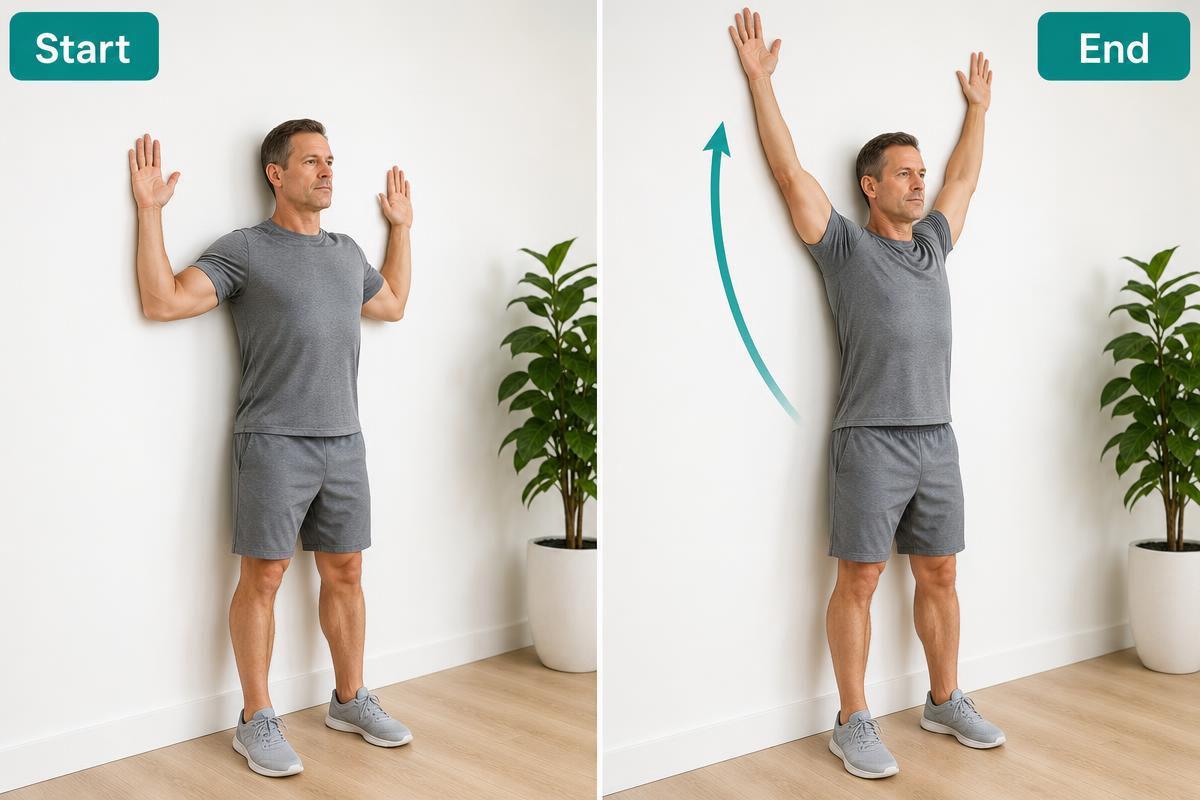
Self-Care
Daily Habits That Help
Stay Active
Gentle daily movement typically beats prolonged rest.
Break Up Sitting
Stand or walk for a minute every 30–45 minutes.
Walk Daily
A 10–20 minute walk keeps tissues loose and blood flowing.
Lift Smart
Hinge at the hips, keep the load close, use your legs.
Mind Your Posture
Stack ears over shoulders and shoulders over hips.
Sleep Supported
Use a pillow between or under your knees for support.
When to Seek Immediate Medical Care
The following symptoms need prompt evaluation by a licensed medical professional:
- Loss of bowel or bladder control
- Progressive weakness in one or both legs
- Major trauma (fall, car accident)
- Fever with back pain
- History of cancer with new back pain
- Unexplained weight loss
- Severe numbness in the saddle / inner-thigh area
FAQ
Frequently Asked Questions
Ask the AI
Commonly Asked Questions to the AI
Related Conditions
Related Symptoms
Related Stretches
Disclaimer: The information on this page is for educational purposes only and is not a substitute for professional medical advice, diagnosis, or treatment. Always seek the advice of a qualified healthcare provider with any questions you may have.