SI Joint Pain: Causes, Stretches & AI-Powered Guidance
Learn what may be irritating your sacroiliac joint, discover stretches that may help, and get a free personalized plan.
Overview
What Is SI Joint Pain?
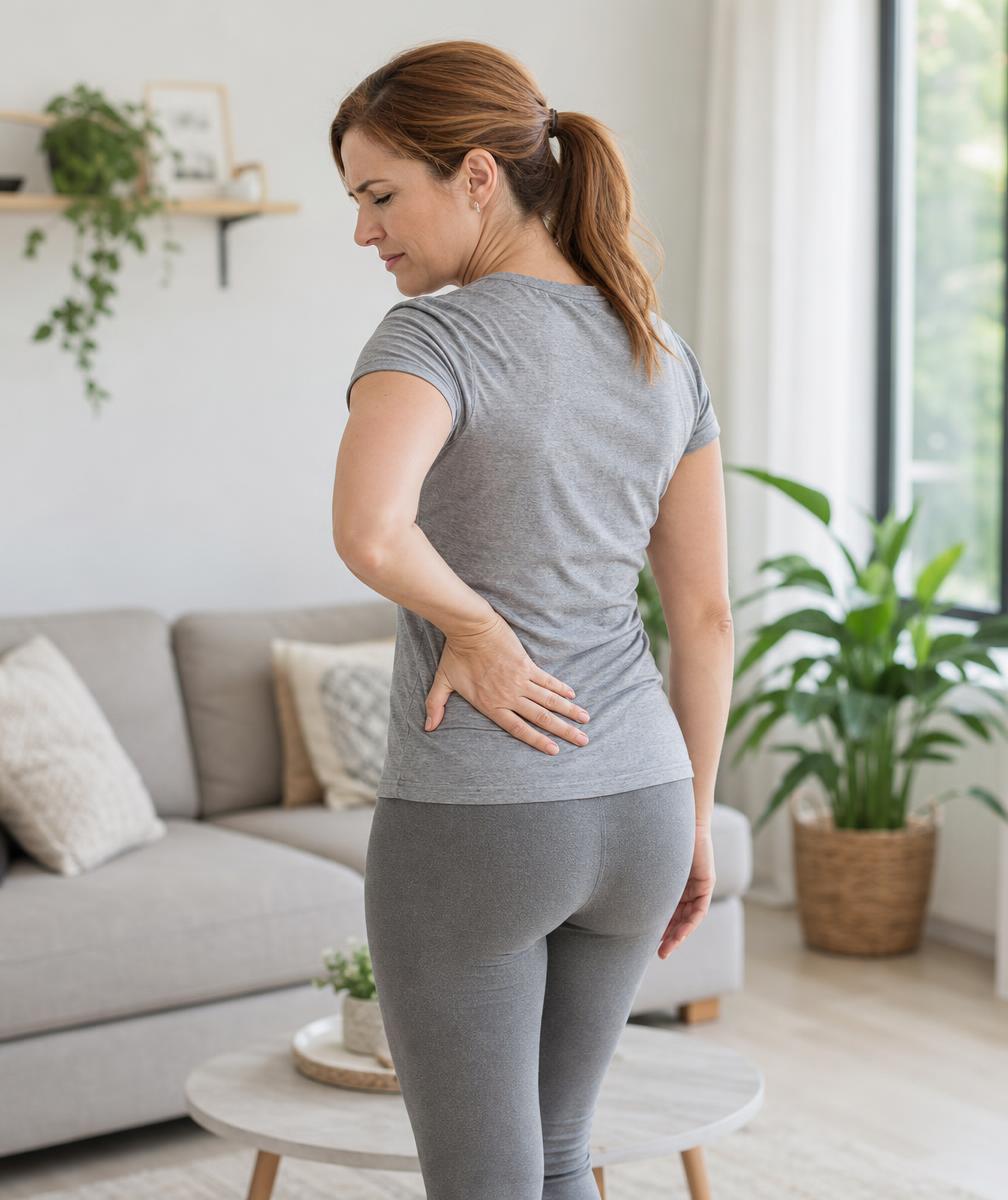
The sacroiliac (SI) joints connect the base of your spine (sacrum) to your pelvis. When these joints move too much or too little, they can cause pain on one side of the low back, buttock, or hip.
SI joint pain often flares with pregnancy, a fall onto the buttock, single-leg activities like stairs, or long asymmetric sitting.
Symptoms can mimic sciatica or hip pain, which is why targeted stability and mobility work makes a big difference.
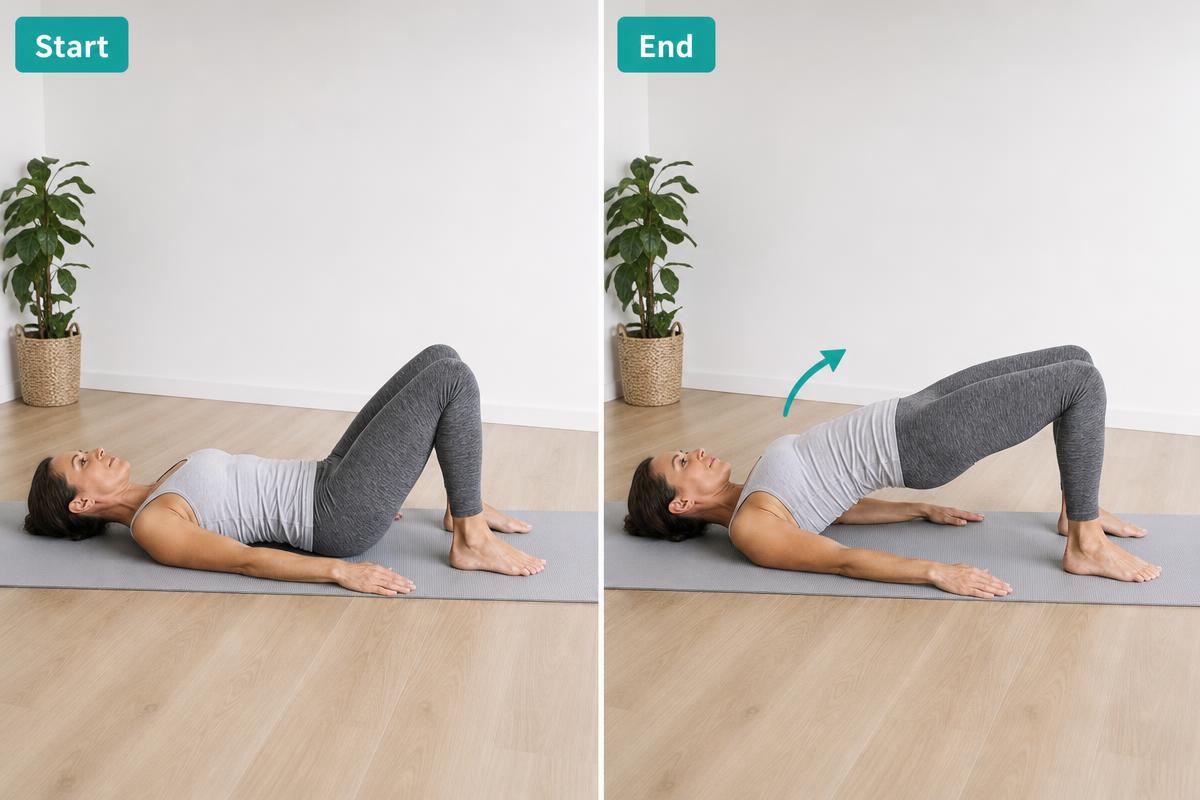
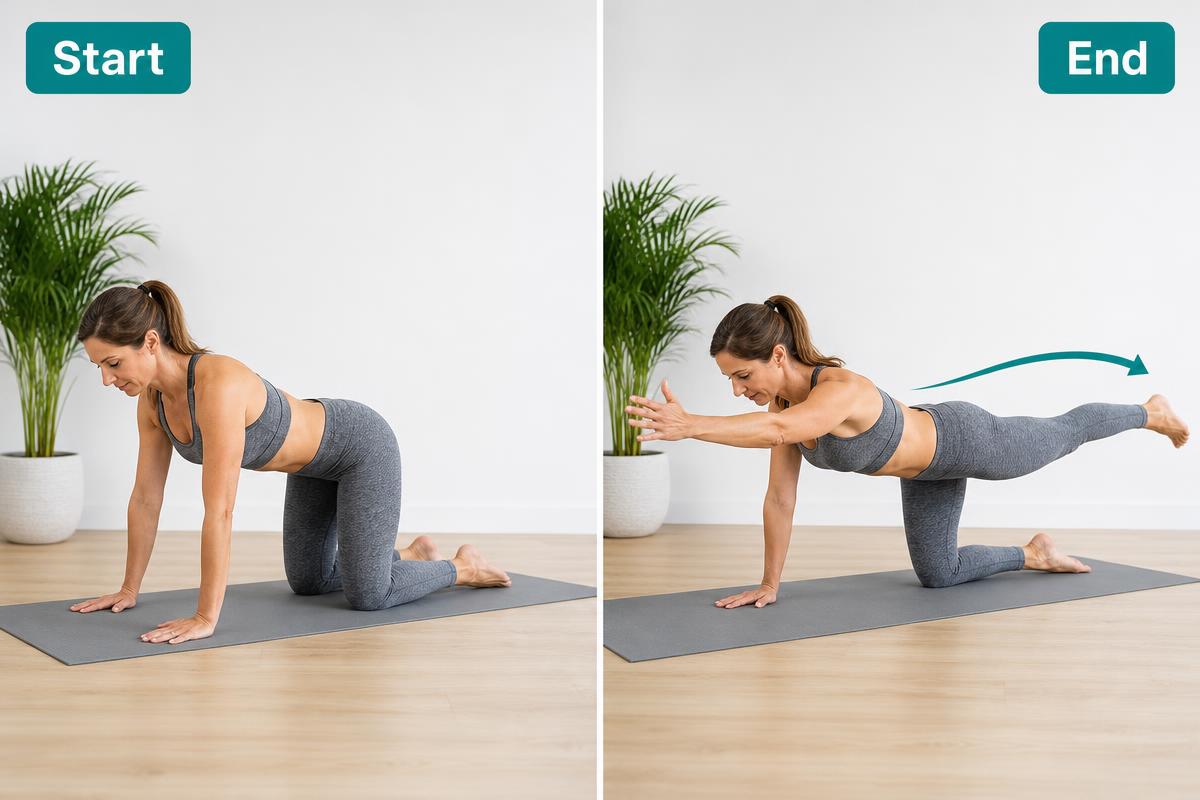
Most SI joint pain improves with core and glute strengthening, gentle mobility, and daily habit changes.
Common Causes
Why Does My SI Joint Hurt?
Pregnancy & Postpartum
Hormones and posture changes loosen the SI joints.
Read about Pregnancy & Postpartum →Fall onto the Buttock
Impact can jam or sprain the SI joint.
Read about Fall onto the Buttock →Leg-Length Differences
Uneven mechanics load one SI joint more than the other.
Read about Leg-Length Differences →Weak Glutes & Core
Poor support forces the SI joint to work overtime.
Read about Weak Glutes & Core →Repetitive Twisting
Sports and asymmetric lifting stress the joint.
Read about Repetitive Twisting →Prolonged Sitting
Sitting on one hip stiffens and irritates the joint.
Read about Prolonged Sitting →Arthritis
Wear-and-tear changes can affect the SI joint.
Read about Arthritis →Prior Low Back Surgery
Fused spinal segments can increase SI joint load.
Read about Prior Low Back Surgery →
Symptoms
Common Symptoms
- Pain on one side of the low back
- Pain in the buttock or hip
- Pain going down the back of the thigh
- Pain climbing stairs
- Pain rolling over in bed
- Pain standing on one leg
- Feeling of instability in the pelvis
- Pain after long sitting
Not Sure What's Causing Your Pain?
Symptoms from muscle strain, disc issues, nerve irritation, and joint problems often overlap. Our AI assessment asks a short set of questions about where you feel pain, how it moves with you, what makes it better or worse, and your history — then gives you personalized educational guidance and a stretch routine to try. It is not a medical diagnosis.
Recommended
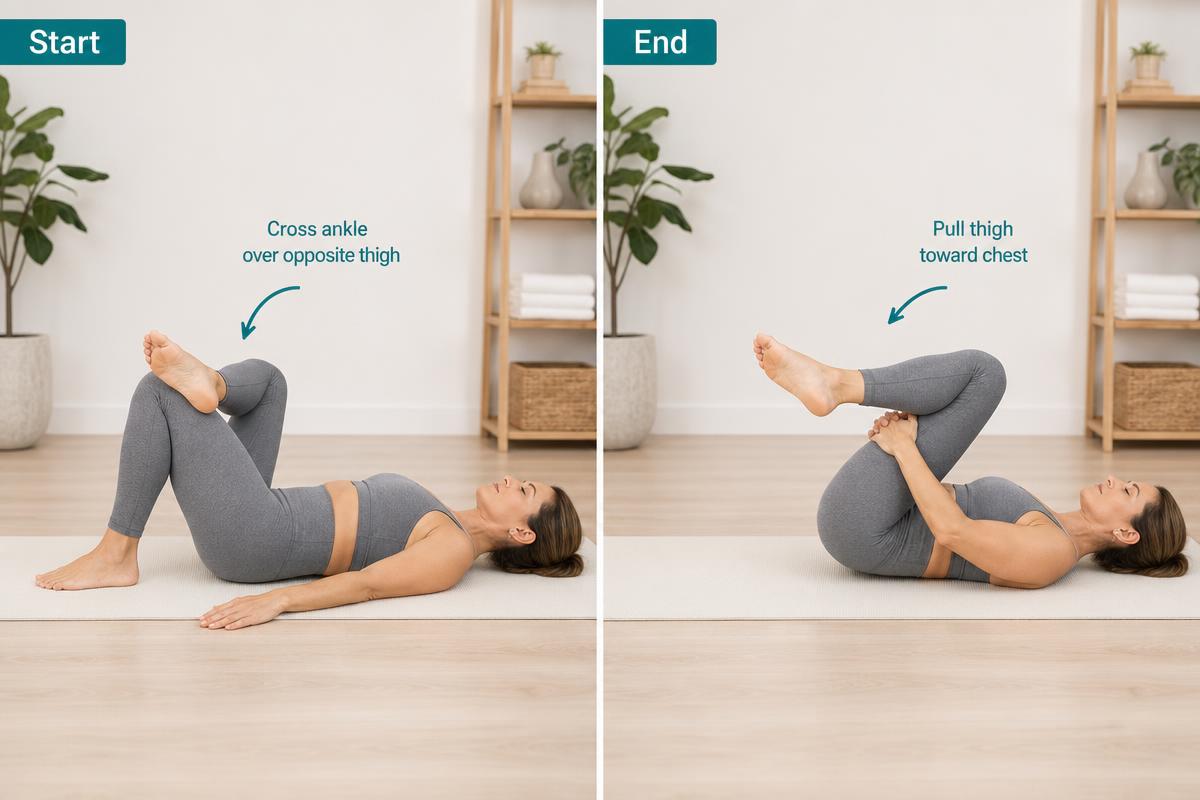
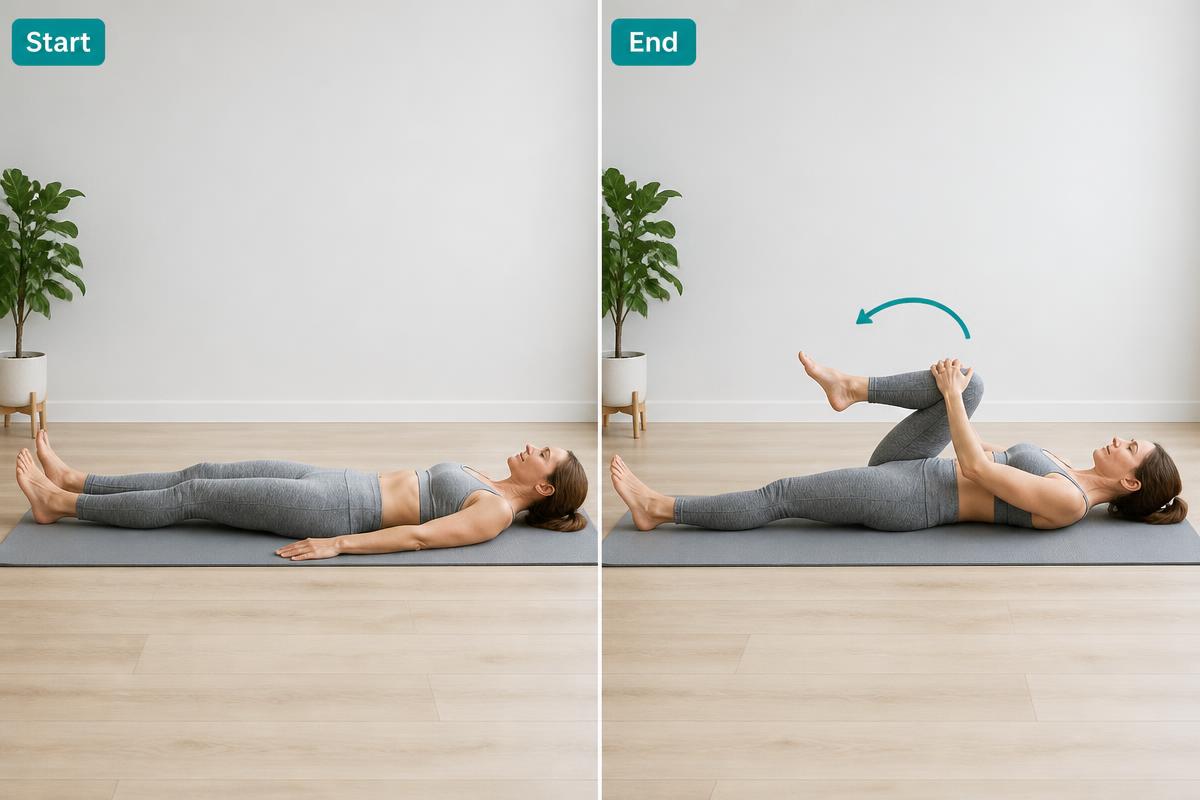
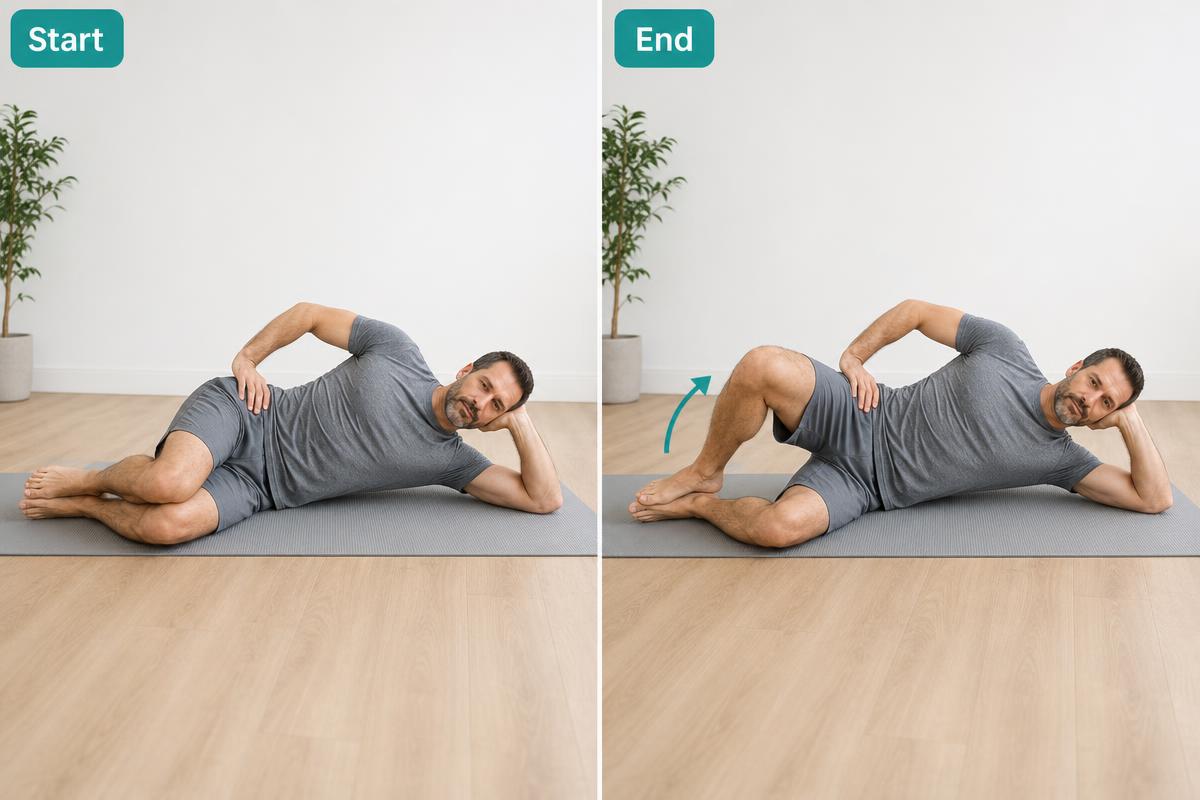
Stretches That May Help
Self-Care
Daily Habits That Help
Sit Evenly
Avoid crossing your legs or leaning on one hip for hours.
Strengthen Glutes
Bridges and clamshells build lasting SI joint support.
Short Walks
Gentle walking often calms an irritated SI joint.
Sleep Supported
A pillow between your knees keeps the pelvis level.
Avoid Deep Twisting
Skip end-range twists during a flare-up.
SI Belt (if needed)
A supportive belt can help during pregnancy or big flares.
Home Care
Heat vs Ice
When heat may help
- Chronic stiffness or ongoing tightness
- Before stretching or gentle movement
- Muscle spasms and tension
When ice may help
- New injury within the first 24–48 hours
- Swelling or a warm, inflamed area
- After a flare-up from overuse
If pain is severe, worsening, or lasts more than a couple of weeks, check in with a licensed healthcare professional.
When to Seek Immediate Medical Care
The following symptoms need prompt evaluation by a licensed medical professional:
- Loss of bowel or bladder control
- Progressive weakness in one or both legs
- Major trauma (fall, car accident)
- Fever with back pain
- History of cancer with new back pain
- Unexplained weight loss
- Severe numbness in the saddle / inner-thigh area
FAQ
Frequently Asked Questions
Related Conditions
Related Stretches
Disclaimer: The information on this page is for educational purposes only and is not a substitute for professional medical advice, diagnosis, or treatment. Always seek the advice of a qualified healthcare provider with any questions you may have.