Bulging Disc: Causes, Symptoms & AI-Powered Guidance
Understand the difference between a bulging and herniated disc, find stretches that may help, and get a free personalized plan.
Overview
What Is Bulging Disc?
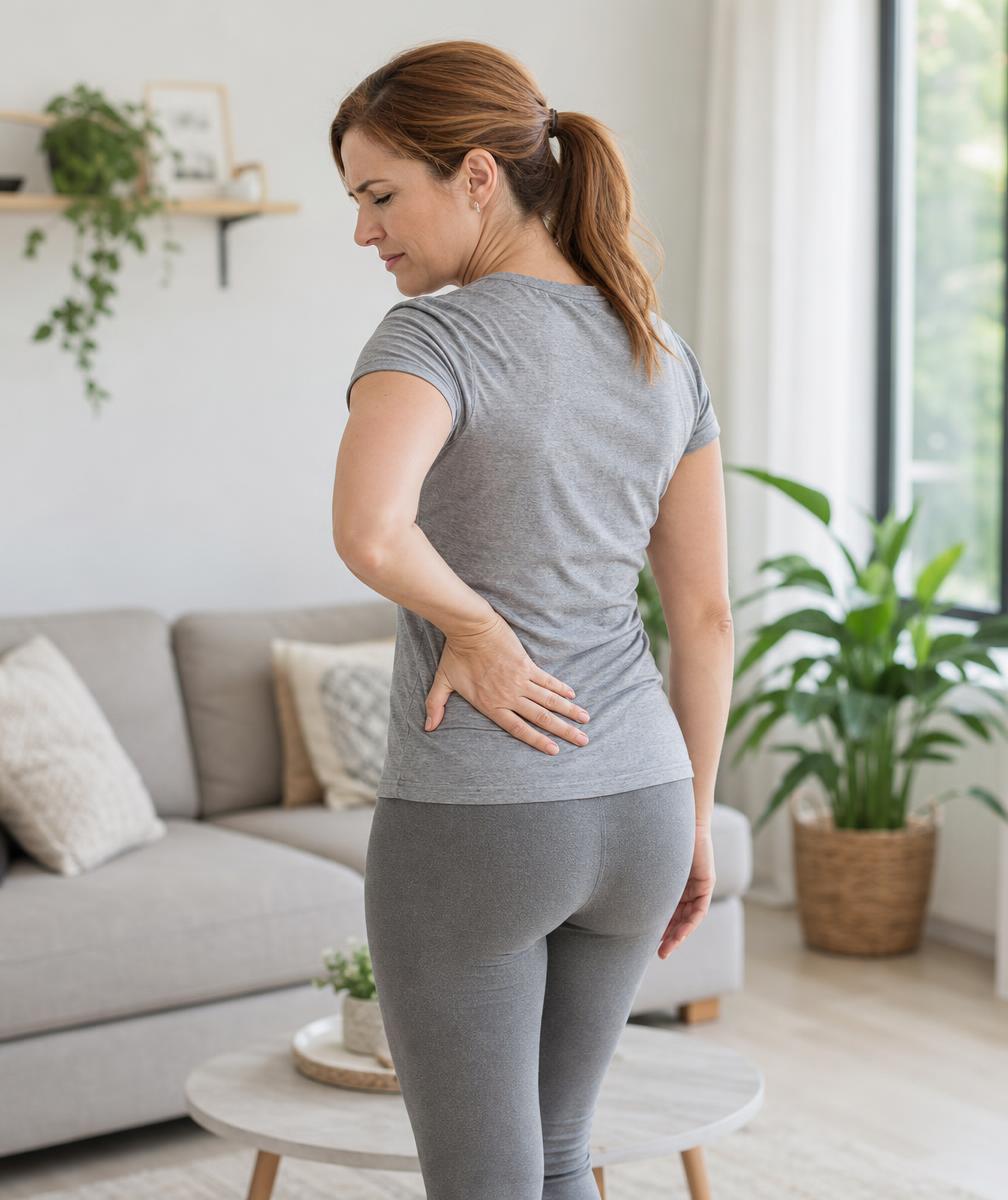
A bulging disc is when a spinal disc pushes slightly out of its normal space without rupturing. Many bulges are silent and only show up on imaging.
When a bulge does cause symptoms, it is often because it presses on a nearby nerve or triggers surrounding muscle tension.
Age-related disc changes, long sitting, poor lifting habits, and repeated bending are the biggest contributors.
Most bulging discs quiet down with gentle daily movement, core support, and postural changes.
Common Causes
Why Does My Bulging Disc Hurt?
Disc Aging
Discs lose water and become easier to bulge over time.
Read about Disc Aging →Prolonged Sitting
Long sitting raises disc pressure and slowly deforms them.
Read about Prolonged Sitting →Repeated Bending
Frequent flexion loads the front of the disc.
Read about Repeated Bending →Poor Lifting
Rounded-back lifting stresses the disc ring.
Read about Poor Lifting →Weak Core
Weak deep-core muscles let discs take more load.
Read about Weak Core →Genetics
Some people are more prone to disc changes.
Read about Genetics →Smoking
Smoking reduces disc nutrition and speeds bulging.
Read about Smoking →Excess Body Weight
Extra weight increases day-to-day disc load.
Read about Excess Body Weight →
Symptoms
Common Symptoms
- Dull low back or neck ache
- Stiffness after sitting
- Mild pain radiating into arm or leg
- Numbness or tingling
- Pain worse bending forward
- Pain better with walking
- Muscle spasms
- Symptoms that vary day to day
Not Sure What's Causing Your Pain?
Symptoms from muscle strain, disc issues, nerve irritation, and joint problems often overlap. Our AI assessment asks a short set of questions about where you feel pain, how it moves with you, what makes it better or worse, and your history — then gives you personalized educational guidance and a stretch routine to try. It is not a medical diagnosis.
Recommended
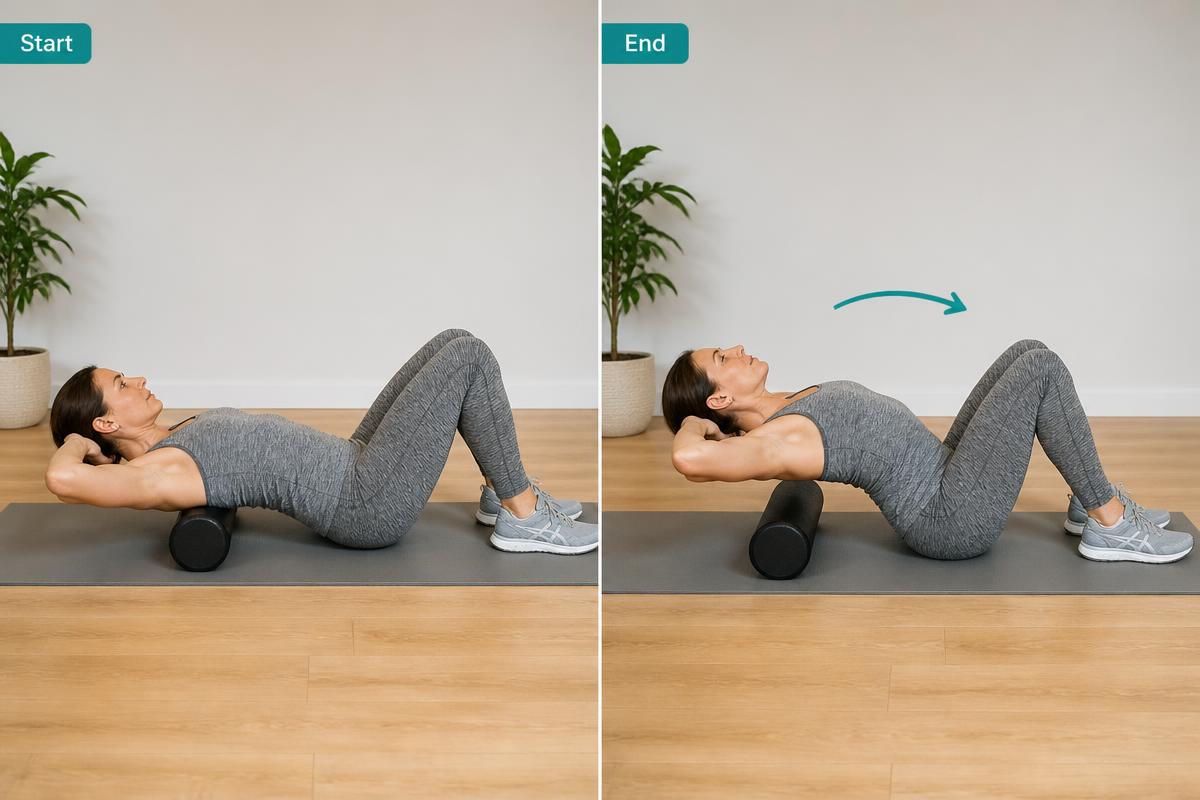
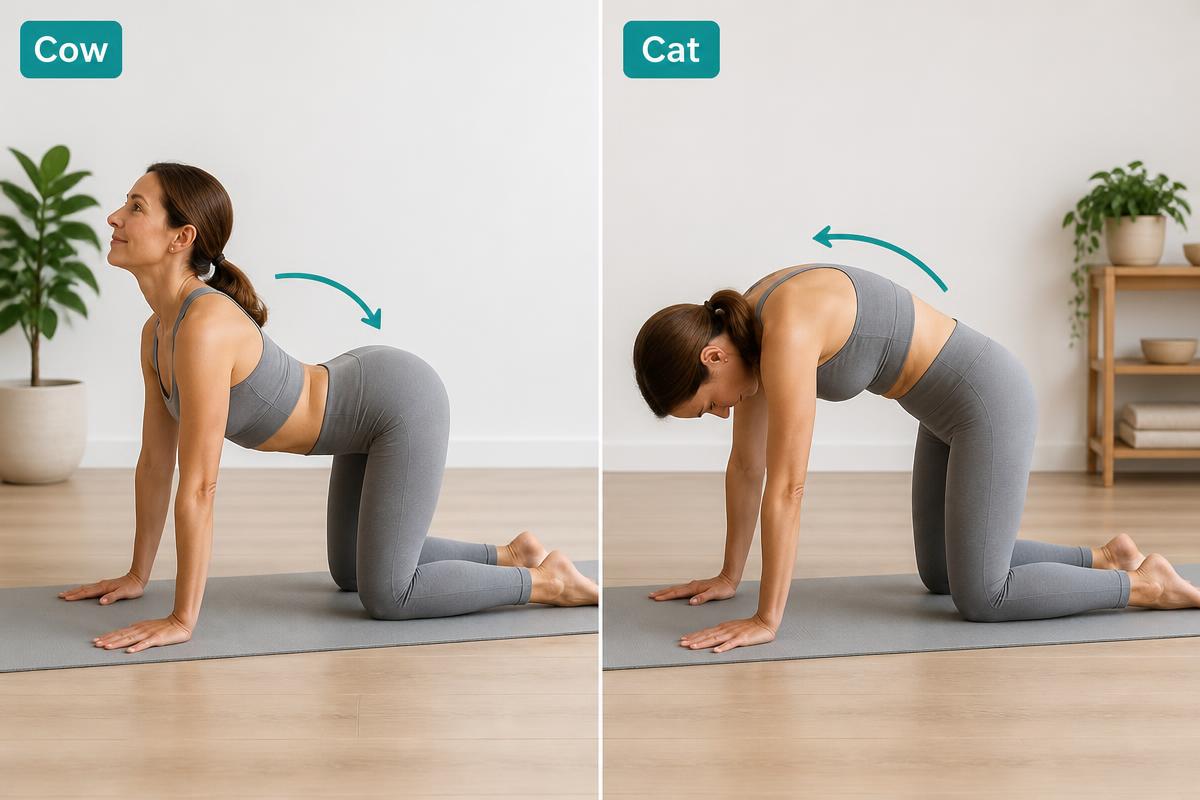
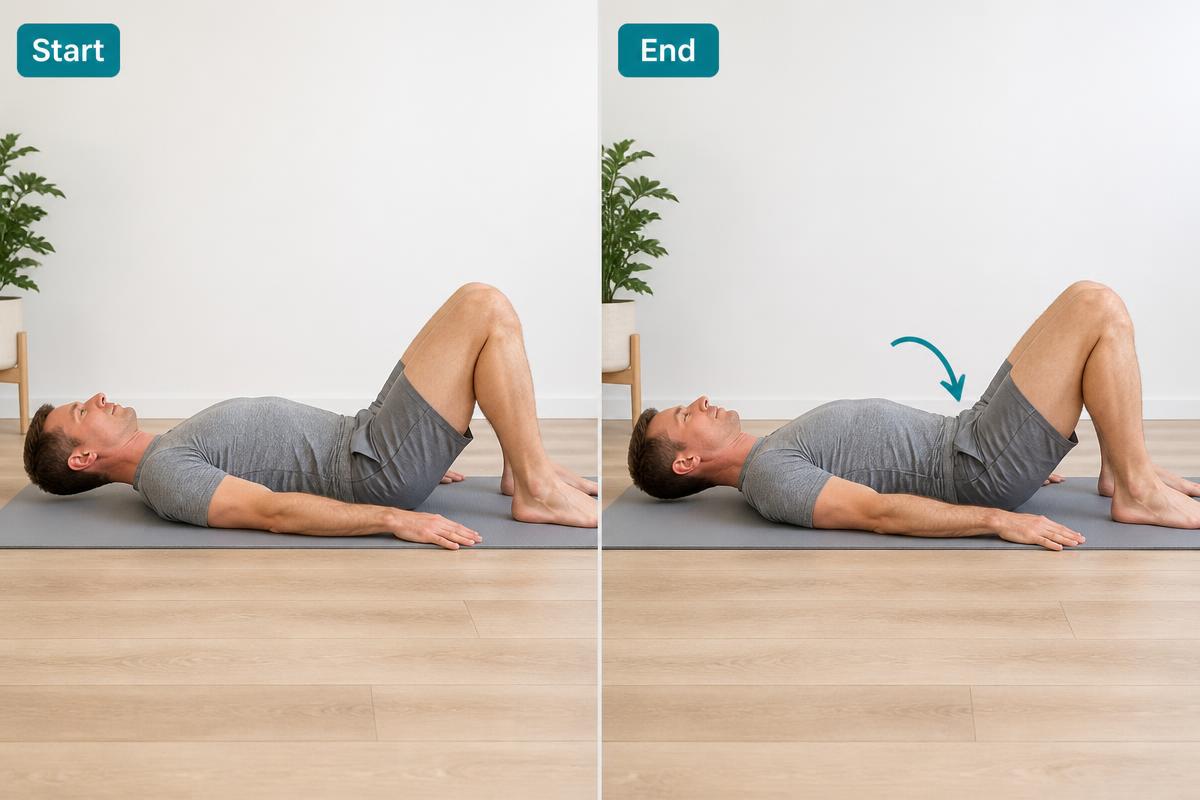
Stretches That May Help
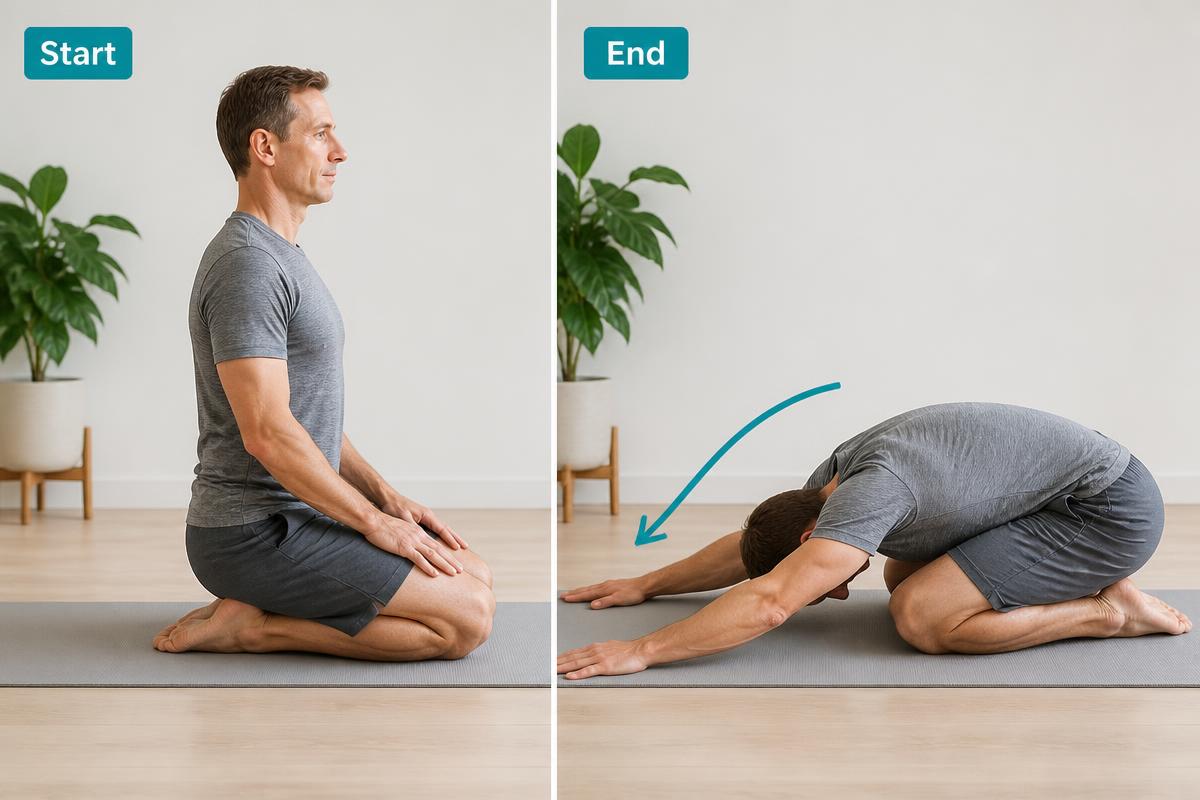
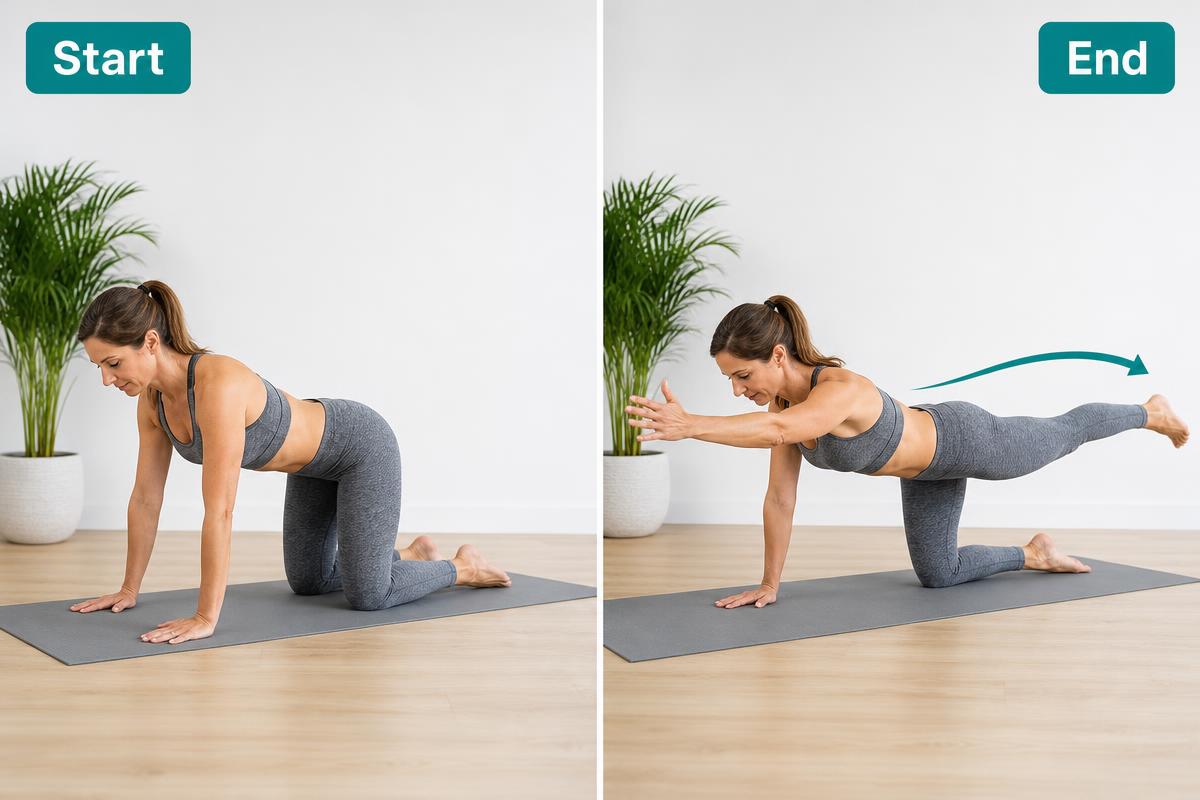
Self-Care
Daily Habits That Help
Stay Active
Gentle daily movement typically beats prolonged rest.
Break Up Sitting
Stand or walk for a minute every 30–45 minutes.
Walk Daily
A 10–20 minute walk keeps tissues loose and blood flowing.
Lift Smart
Hinge at the hips, keep the load close, use your legs.
Mind Your Posture
Stack ears over shoulders and shoulders over hips.
Sleep Supported
Use a pillow between or under your knees for support.
Home Care
Heat vs Ice
When heat may help
- Chronic stiffness or ongoing tightness
- Before stretching or gentle movement
- Muscle spasms and tension
When ice may help
- New injury within the first 24–48 hours
- Swelling or a warm, inflamed area
- After a flare-up from overuse
If pain is severe, worsening, or lasts more than a couple of weeks, check in with a licensed healthcare professional.
When to Seek Immediate Medical Care
The following symptoms need prompt evaluation by a licensed medical professional:
- Loss of bowel or bladder control
- Progressive weakness in one or both legs
- Major trauma (fall, car accident)
- Fever with back pain
- History of cancer with new back pain
- Unexplained weight loss
- Severe numbness in the saddle / inner-thigh area
FAQ
Frequently Asked Questions
Related Conditions
Related Stretches
Disclaimer: The information on this page is for educational purposes only and is not a substitute for professional medical advice, diagnosis, or treatment. Always seek the advice of a qualified healthcare provider with any questions you may have.