Upper Back Pain: Causes, Stretches & AI-Powered Guidance
Learn what may be causing tightness and pain between your shoulder blades, discover stretches that may help, and get a free personalized plan.

Overview
What Is Upper Back Pain?
Upper back pain is discomfort in the area between the base of the neck and the bottom of the ribs — the thoracic spine. Many people feel it as a persistent burning or ache between the shoulder blades.
It is often driven by hours of desk work, phone use, driving, or carrying heavy bags. The mid-back is designed to rotate and extend — long static postures make it stiff and irritable.
Weak mid-back and shoulder-blade muscles combined with tight chest muscles often keep the pain going. Stress also amplifies the tension pattern.
Most upper back pain responds well to daily mobility, posture resets, and simple strengthening of the muscles between and around the shoulder blades.
Common Causes
Why Does My Upper Back Hurt?
Desk Posture
Long hours hunched over a screen overload the mid-back.
Read about Desk Posture →Text Neck
Looking down at phones pulls the upper spine forward.
Read about Text Neck →Muscle Strain
Awkward lifting or overuse strains mid-back muscles.
Read about Muscle Strain →Weak Mid-Back
Under-active shoulder-blade muscles let the spine round.
Read about Weak Mid-Back →Tight Chest Muscles
Short pecs pull the shoulders forward and load the upper back.
Read about Tight Chest Muscles →Backpack Load
Heavy or uneven bags fatigue the upper back.
Read about Backpack Load →Stress & Tension
Stress increases tension in shoulder and upper-back muscles.
Read about Stress & Tension →Poor Sleep Setup
The wrong pillow or mattress can aggravate the mid-back.
Read about Poor Sleep Setup →
Symptoms
Common Symptoms
- Aching between the shoulder blades
- Burning sensation in the upper back
- Stiffness with rotation
- Muscle knots and tightness
- Pain with deep breathing
- Pain worse after long sitting
- Shoulder and neck tension
- Headaches from mid-back tension
Not Sure What's Causing Your Pain?
Symptoms from muscle strain, disc issues, nerve irritation, and joint problems often overlap. Our AI assessment asks a short set of questions about where you feel pain, how it moves with you, what makes it better or worse, and your history — then gives you personalized educational guidance and a stretch routine to try. It is not a medical diagnosis.
Recommended
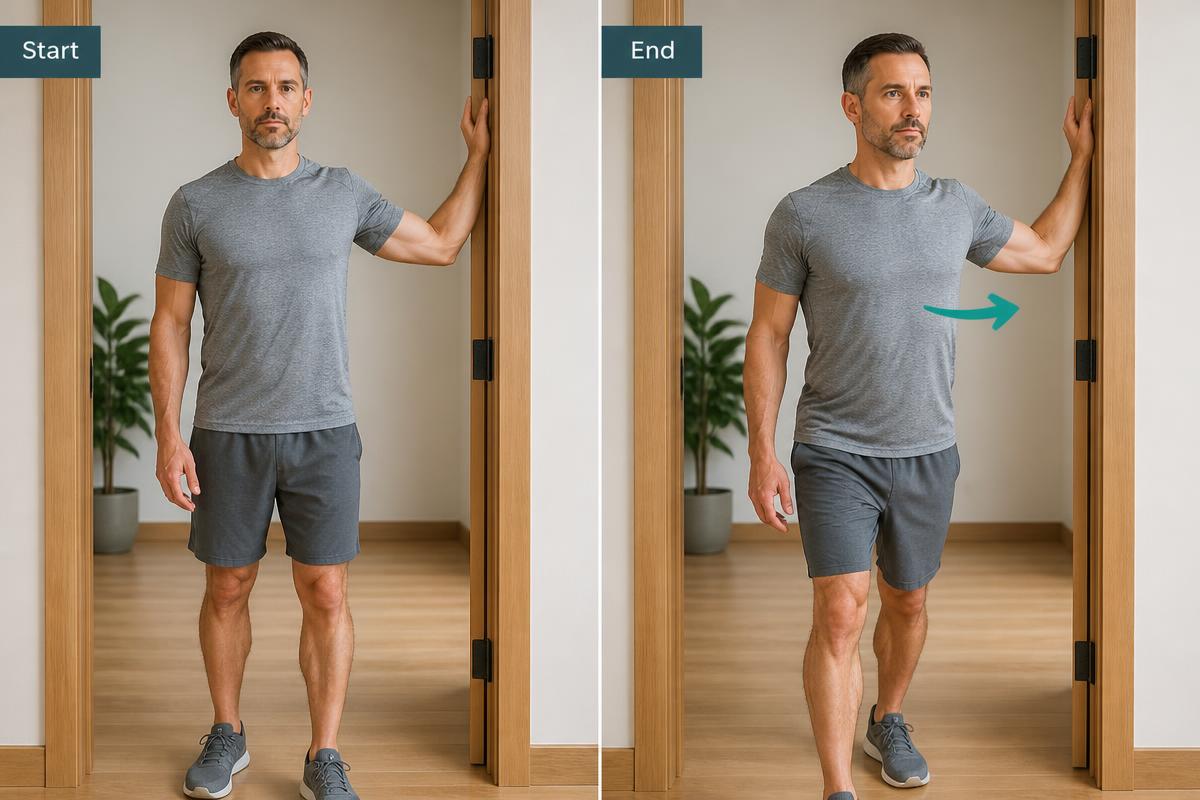
Stretches That May Help
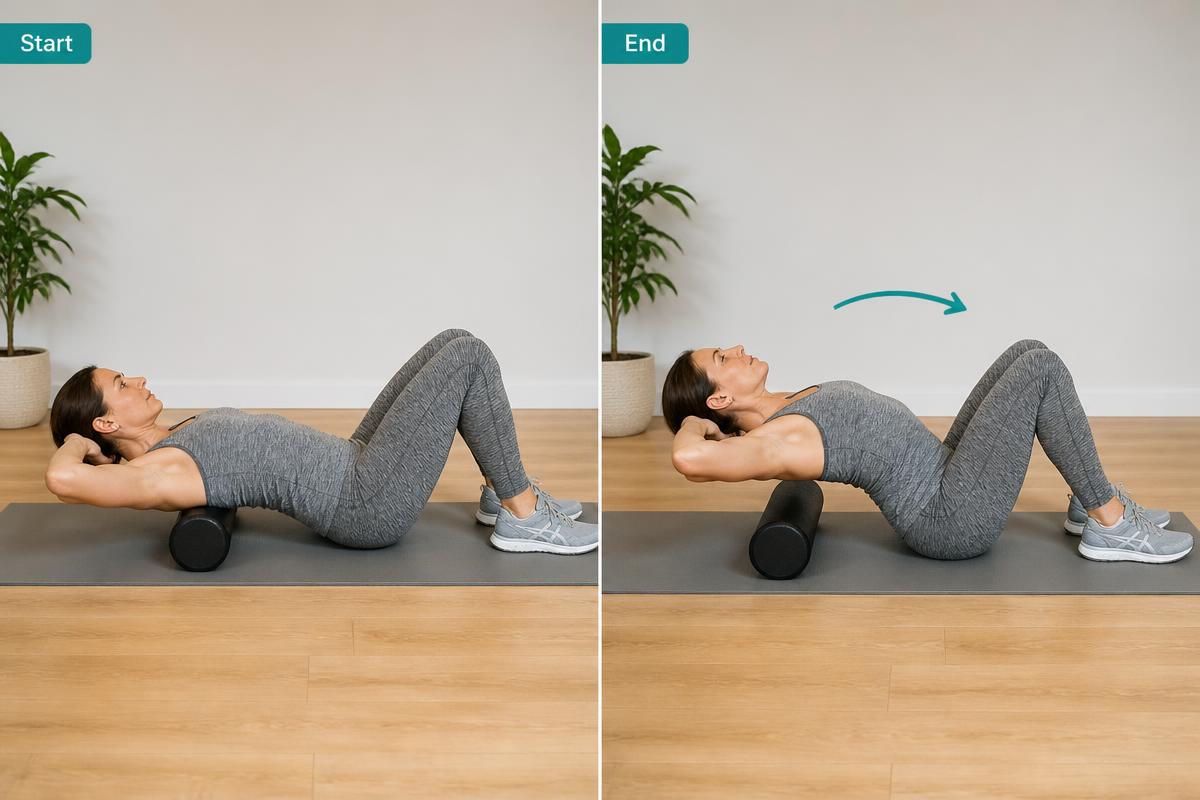
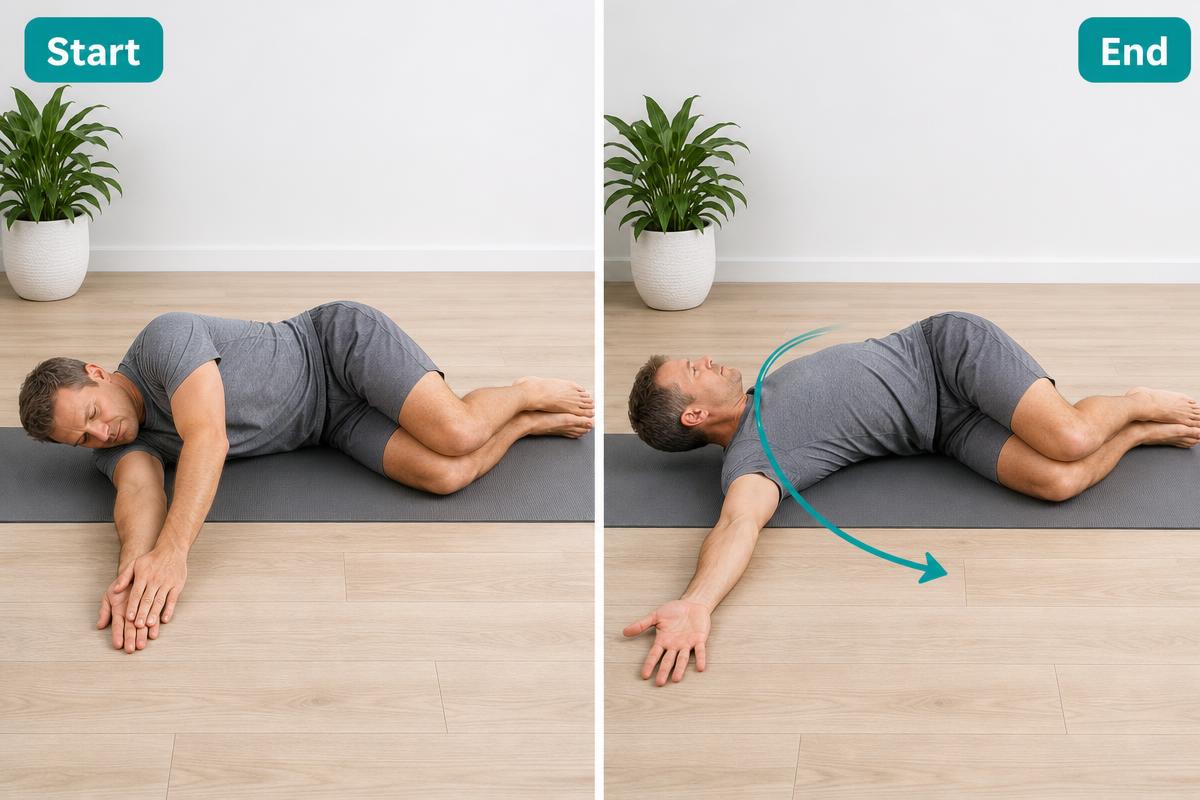
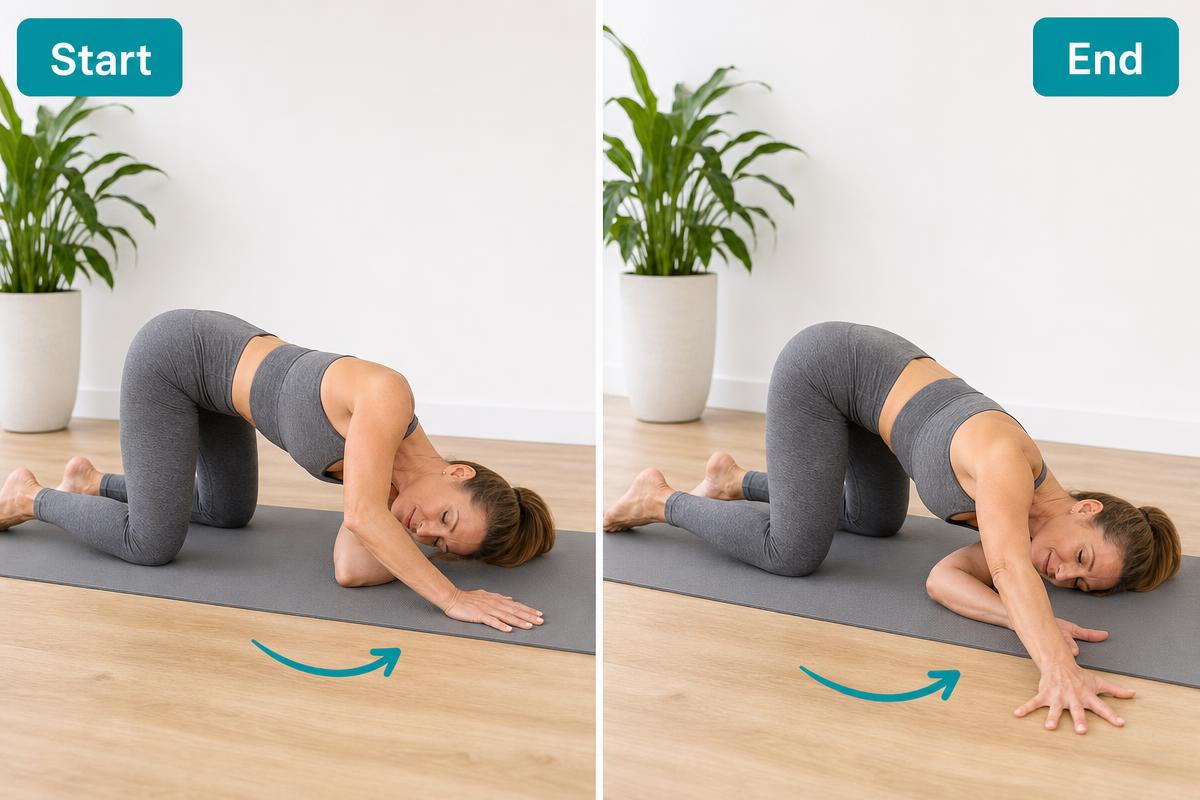
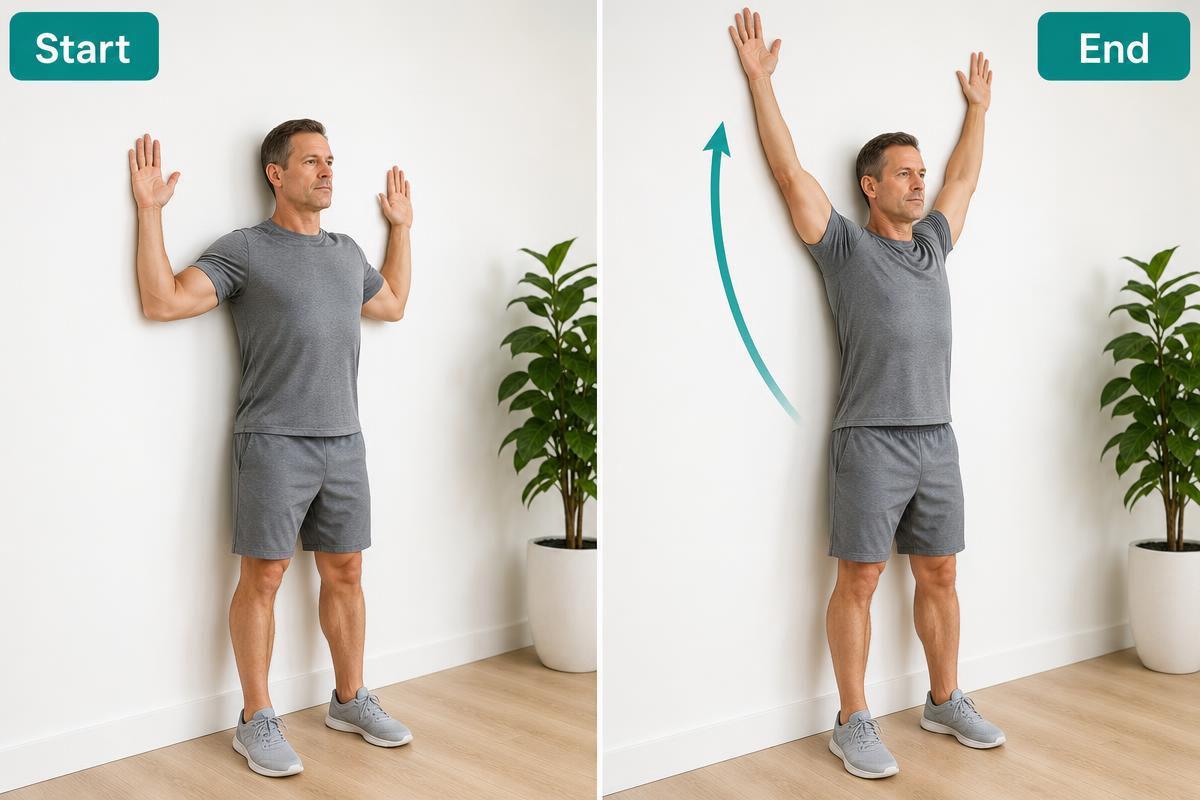
Self-Care
Daily Habits That Help
Ergonomic Setup
Monitor at eye level, feet flat, elbows supported.
Micro-Breaks
Every 30 minutes, rotate and extend the mid-back briefly.
Stay Active
Daily walking and rotation drills keep the thoracic spine mobile.
Strengthen the Mid-Back
Rows and scapular work build lasting support.
Open the Chest
Doorway pec stretches counter the desk position.
Manage Stress
Breathwork and quality sleep reduce chronic upper-back tension.
Home Care
Heat vs Ice
When heat may help
- Chronic stiffness or ongoing tightness
- Before stretching or gentle movement
- Muscle spasms and tension
When ice may help
- New injury within the first 24–48 hours
- Swelling or a warm, inflamed area
- After a flare-up from overuse
If pain is severe, worsening, or lasts more than a couple of weeks, check in with a licensed healthcare professional.
When to Seek Immediate Medical Care
The following symptoms need prompt evaluation by a licensed medical professional:
- Severe pain after trauma or a fall
- Chest pain, jaw pain, or shortness of breath
- Fever with mid-back pain
- Numbness, tingling, or weakness in the legs
- Unexplained weight loss with back pain
- History of cancer with new mid-back pain
FAQ
Frequently Asked Questions
Related Conditions
Related Stretches
Disclaimer: The information on this page is for educational purposes only and is not a substitute for professional medical advice, diagnosis, or treatment. Always seek the advice of a qualified healthcare provider with any questions you may have.