Neck Pain: Causes, Stretches & AI-Powered Guidance
Learn what may be driving your neck pain, find stretches that may help, and receive a personalized plan with our free AI Back Pain Assessment.
Overview
What Is Neck Pain?
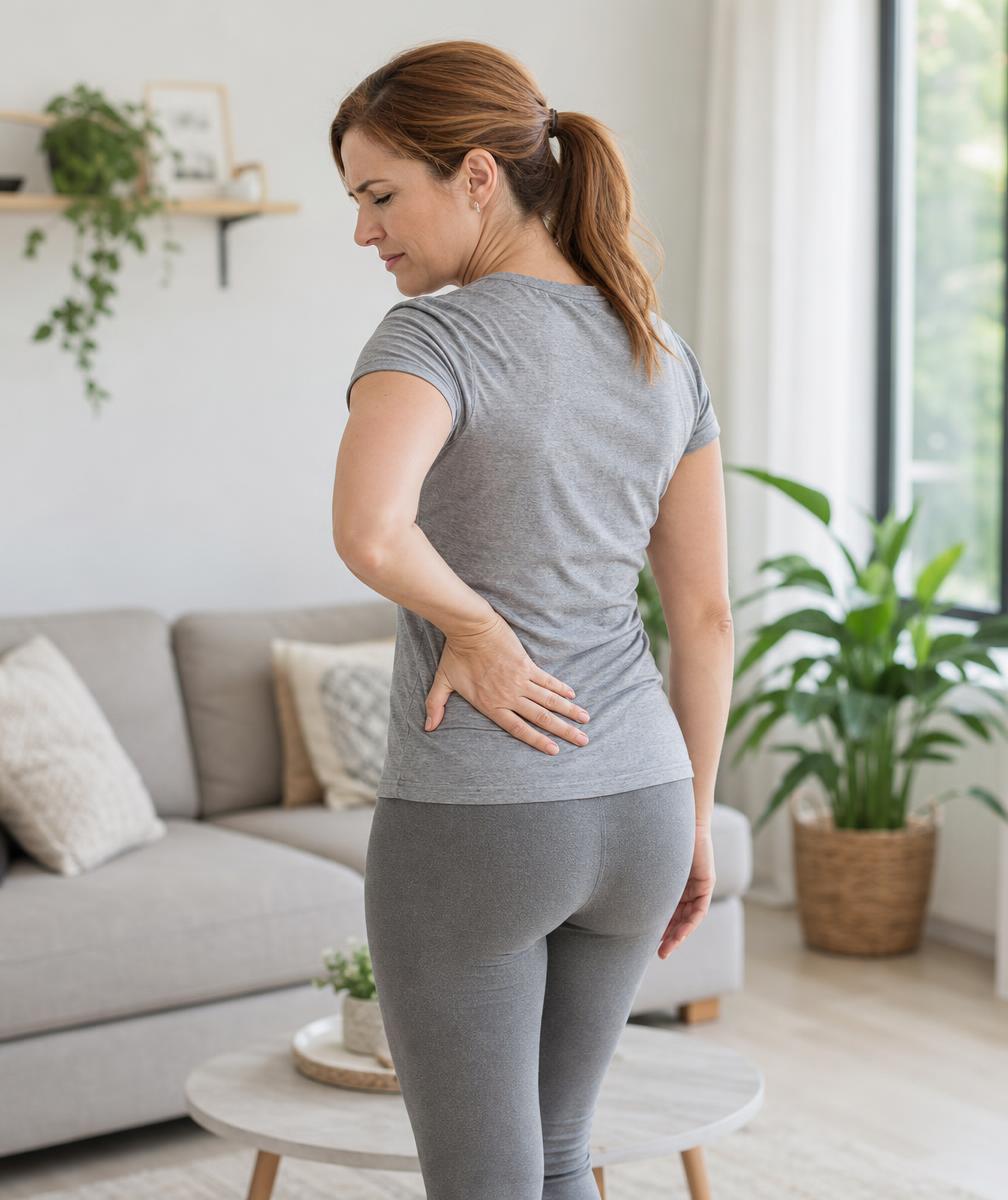
Neck pain is discomfort anywhere from the base of the skull to the tops of the shoulders. It can feel like an ache, stiffness, sharp catch, or a headache that starts at the back of the head.
Long hours at a computer or phone ("text neck"), poor sleeping positions, and stress-driven tension are among the most common triggers.
Most neck pain is muscular and settles within days to a few weeks. Some cases involve joint irritation, disc changes, or a pinched nerve that sends symptoms into the shoulder or arm.
Gentle mobility, stronger deep neck and upper-back muscles, and better ergonomics are the foundation of long-term relief.
Common Causes
Why Does My Neck Hurt?
Text / Phone Posture
Looking down for hours strains the muscles at the base of the neck.
Read about Text / Phone Posture →Desk Posture
A forward-head position loads the joints and small stabilizers.
Read about Desk Posture →Sleeping Position
The wrong pillow height can leave you stiff and sore.
Read about Sleeping Position →Muscle Strain
Sudden movements or overuse strain neck and upper-trap muscles.
Read about Muscle Strain →Stress & Tension
Chronic stress increases tightness in the neck and shoulders.
Read about Stress & Tension →Pinched Nerve
A nerve in the neck can send pain into the shoulder or arm.
Read about Pinched Nerve →Cervical Arthritis
Wear-and-tear changes in the neck joints cause stiffness.
Read about Cervical Arthritis →Weak Deep Neck Flexors
Under-active support muscles let the head drift forward.
Read about Weak Deep Neck Flexors →
Symptoms
Common Symptoms
- Neck stiffness
- Difficulty turning the head
- Aching or sharp neck pain
- Headache at the back of the head
- Shoulder or upper-back tension
- Pain radiating into the arm
- Numbness or tingling in the hand
- Muscle spasms
Not Sure What's Causing Your Pain?
Symptoms from muscle strain, disc issues, nerve irritation, and joint problems often overlap. Our AI assessment asks a short set of questions about where you feel pain, how it moves with you, what makes it better or worse, and your history — then gives you personalized educational guidance and a stretch routine to try. It is not a medical diagnosis.
Recommended
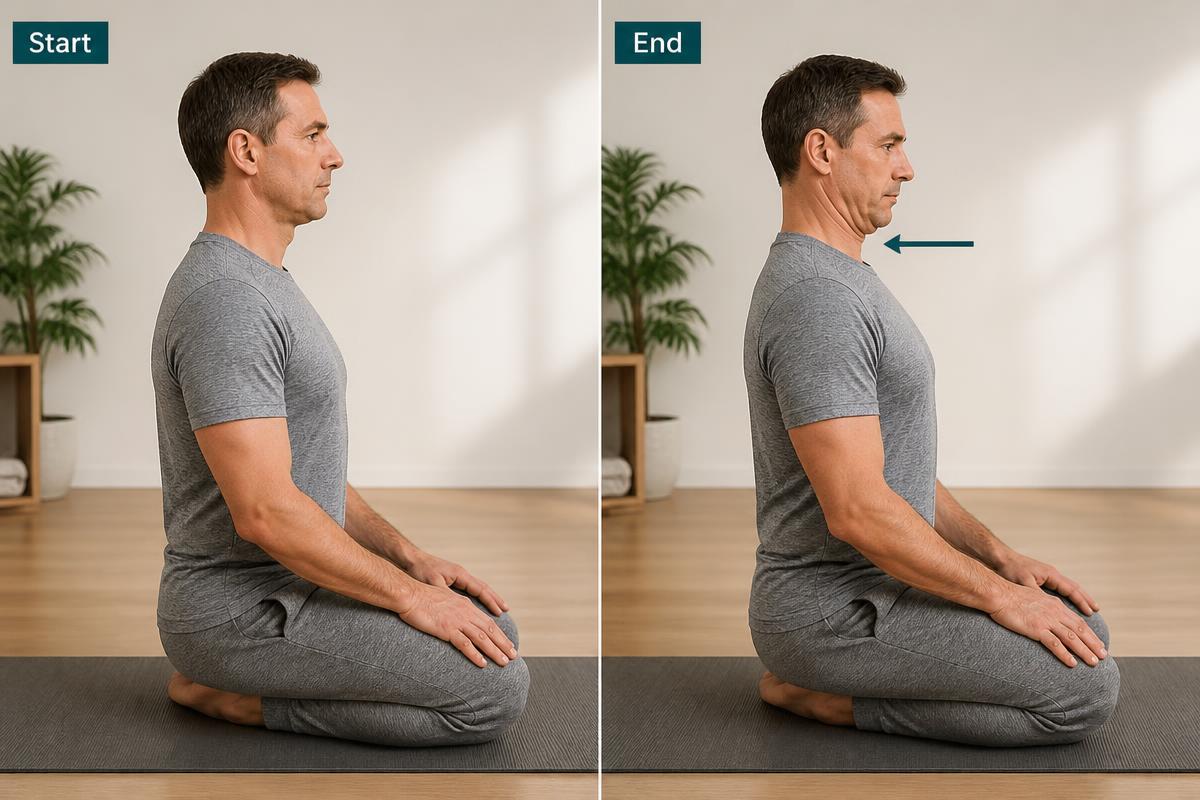
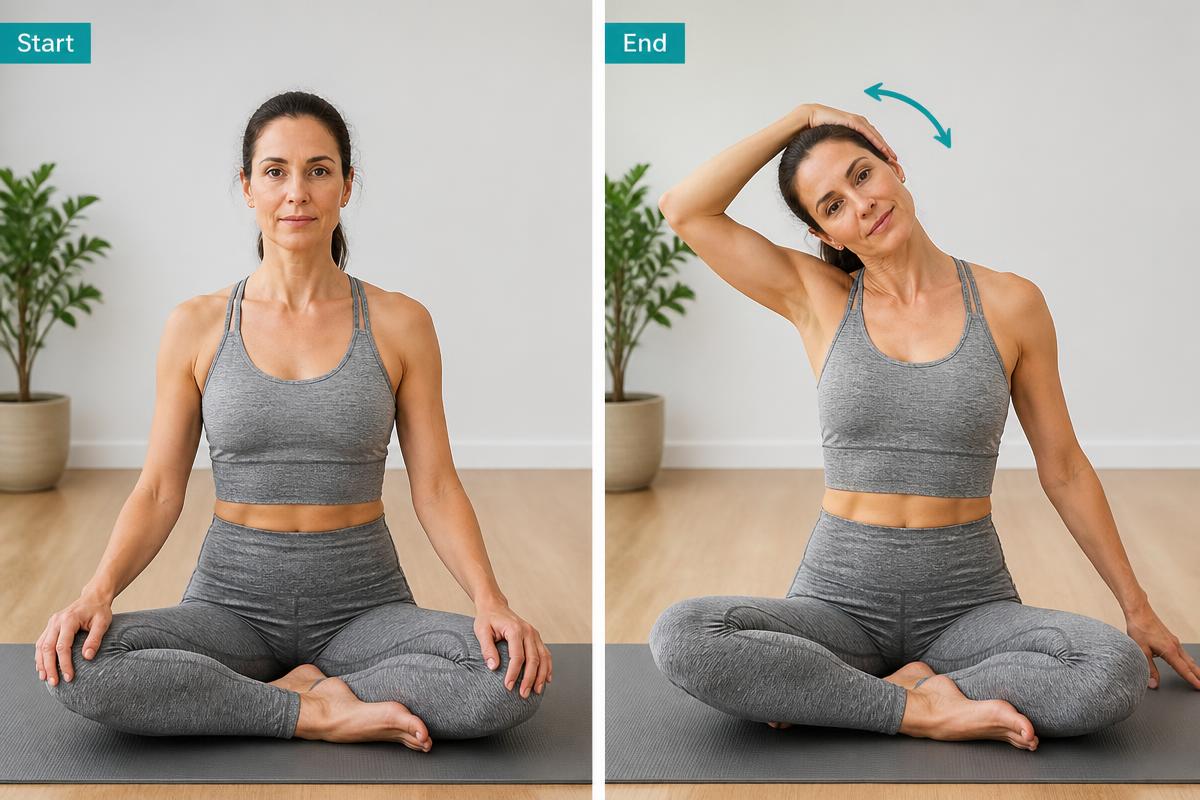
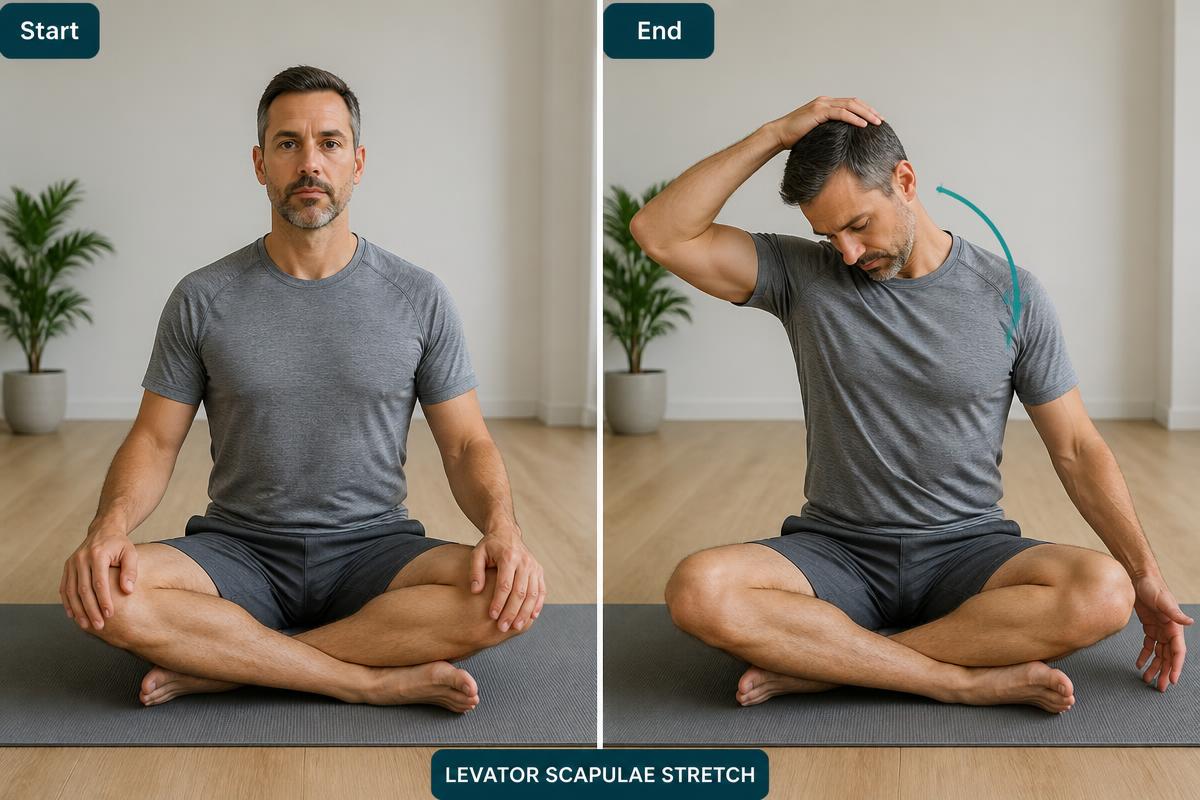
Stretches That May Help
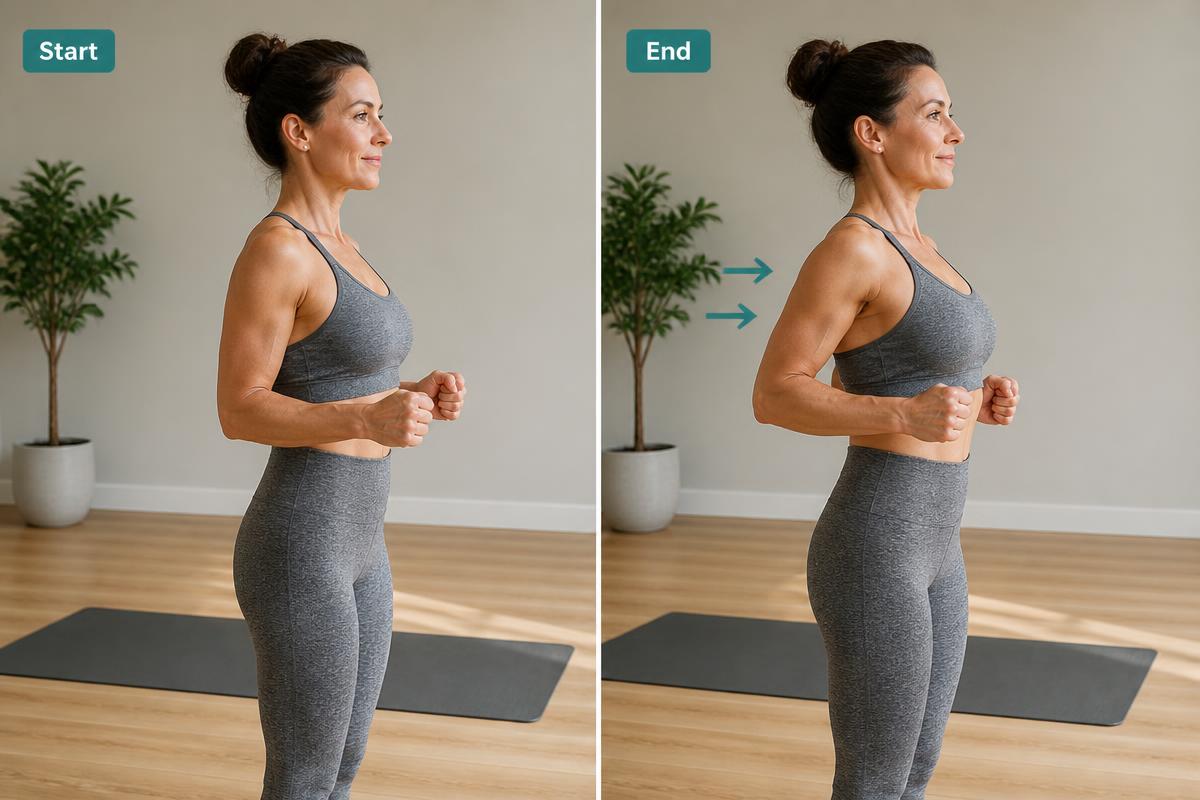
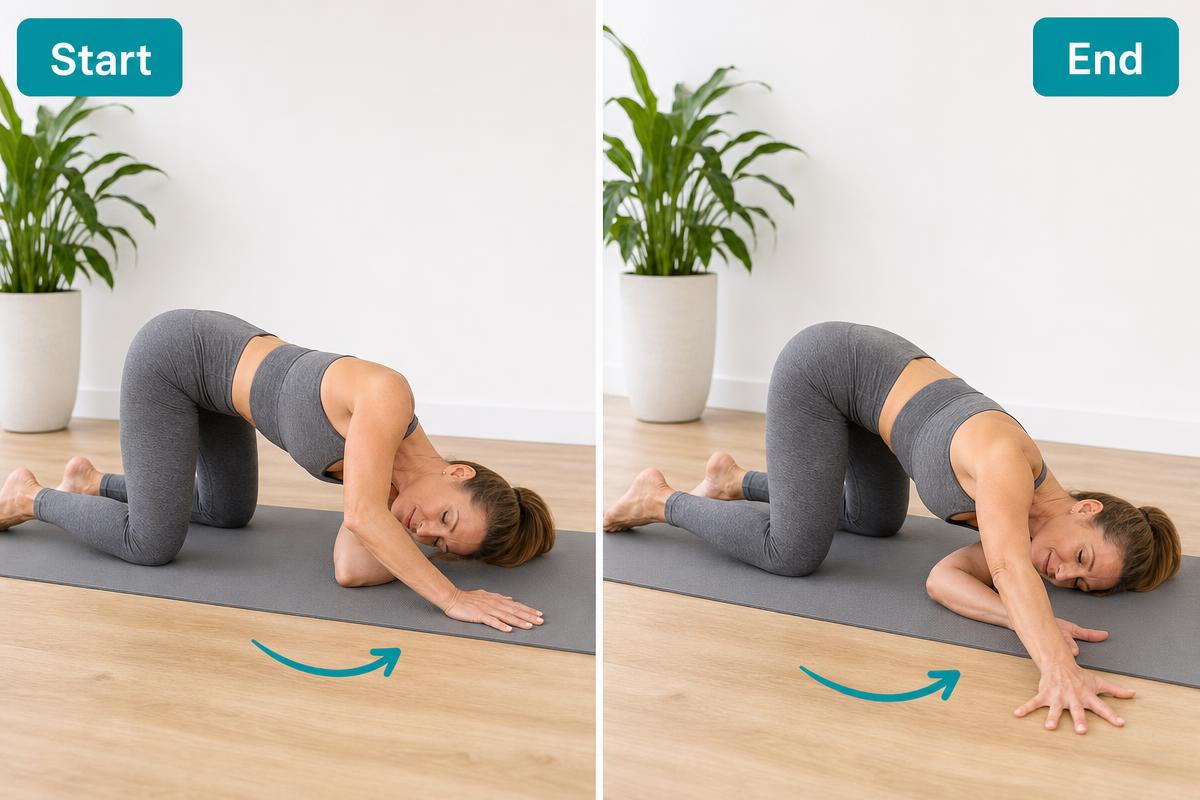
Self-Care
Daily Habits That Help
Screen at Eye Level
Raise your monitor or phone so you're not looking down.
Micro-Breaks
Every 30 minutes, move your neck through its full range gently.
Supportive Pillow
Use a pillow that keeps your neck neutral, not tilted.
Deep Breathing
Slow breathing helps release chronic neck and shoulder tension.
Stay Active
Movement calms neck pain better than lying still all day.
Strengthen Mid-Back
A strong upper back takes strain off the neck.
Home Care
Heat vs Ice
When heat may help
- Chronic stiffness or ongoing tightness
- Before stretching or gentle movement
- Muscle spasms and tension
When ice may help
- New injury within the first 24–48 hours
- Swelling or a warm, inflamed area
- After a flare-up from overuse
If pain is severe, worsening, or lasts more than a couple of weeks, check in with a licensed healthcare professional.
When to Seek Immediate Medical Care
The following symptoms need prompt evaluation by a licensed medical professional:
- Severe pain after a fall or car accident
- Weakness or numbness in the arm or hand
- Loss of coordination or balance
- Fever with stiff neck
- Severe headache unlike any before
- Loss of bowel or bladder control
FAQ
Frequently Asked Questions
Related Conditions
Related Stretches
Disclaimer: The information on this page is for educational purposes only and is not a substitute for professional medical advice, diagnosis, or treatment. Always seek the advice of a qualified healthcare provider with any questions you may have.