Scoliosis: Causes, Stretches & AI-Powered Guidance
Understand how a curved spine affects your movement, find stretches that may help, and get a free personalized plan.
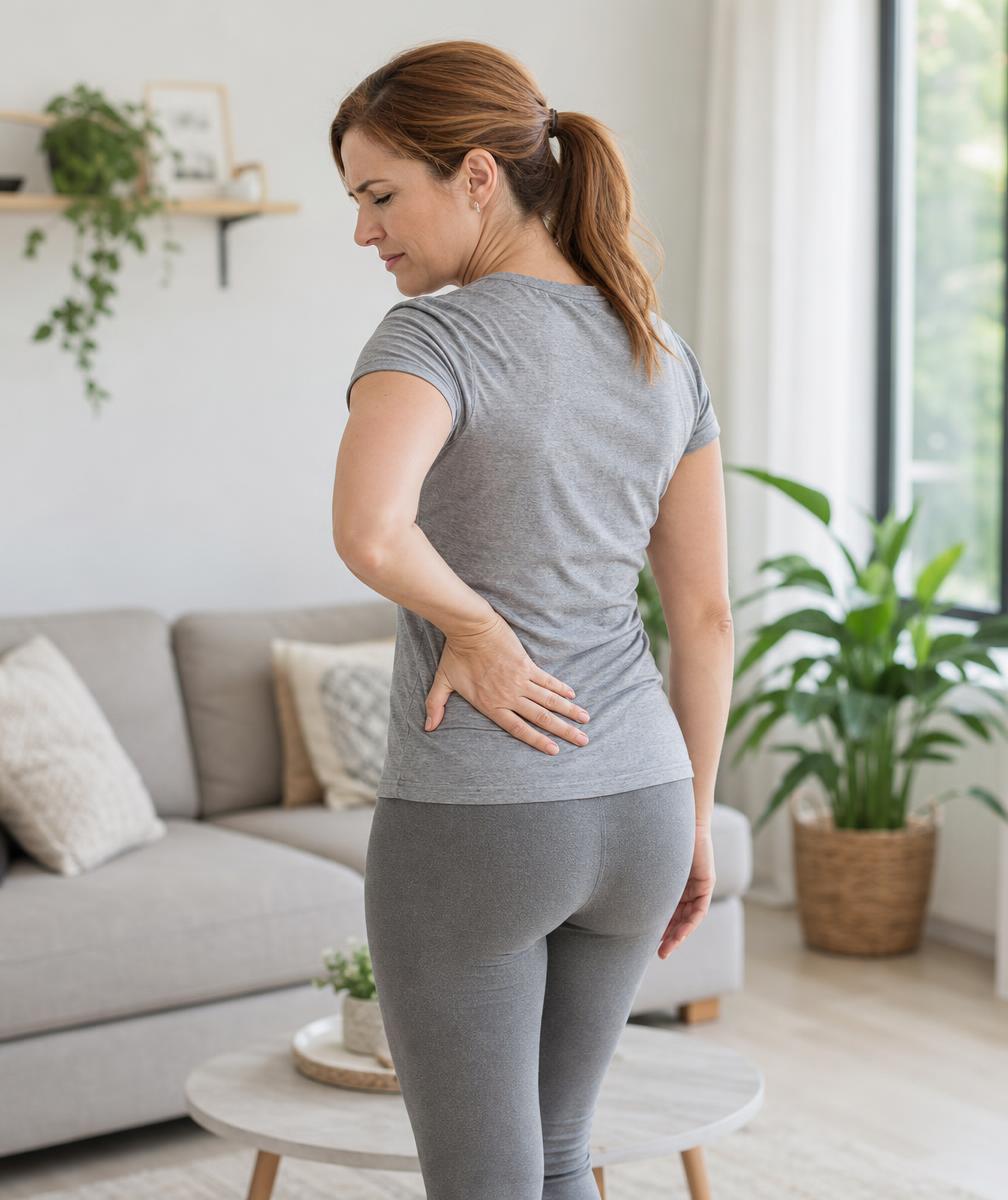
Overview
What Is Scoliosis?
Scoliosis is a sideways curvature of the spine. Curves range from mild — often unnoticed — to severe. Many adults live comfortably with mild scoliosis.
Adult scoliosis can be a curve that developed in childhood or a new degenerative curve that appears with age.
Symptoms, when they occur, often include muscle imbalance, uneven shoulders or hips, low back pain, and fatigue after standing.
Consistent mobility, side-specific strengthening, and posture awareness are the foundation of long-term management.
Common Causes
Why Does My Scoliosis Hurt?
Idiopathic (unknown)
The most common form has no clear cause.
Read about Idiopathic (unknown) →Genetics
Scoliosis tends to run in families.
Read about Genetics →Degenerative Changes
Age-related disc and joint changes can create adult curves.
Read about Degenerative Changes →Osteoporosis
Weakened bone can shift the spine over time.
Read about Osteoporosis →Congenital
Some curves begin from vertebral changes at birth.
Read about Congenital →Neuromuscular Conditions
Some medical conditions affect spinal alignment.
Read about Neuromuscular Conditions →Leg-Length Difference
Long-term asymmetry can influence the spine.
Read about Leg-Length Difference →Prior Spine Surgery
Segment changes may lead to new curves.
Read about Prior Spine Surgery →
Symptoms
Common Symptoms
- Uneven shoulders or hips
- Visible spinal curve
- Back pain or muscle fatigue
- Muscle tightness on one side
- Reduced flexibility
- Rib prominence when bending forward
- Fatigue after standing long
- Reduced endurance
Not Sure What's Causing Your Pain?
Symptoms from muscle strain, disc issues, nerve irritation, and joint problems often overlap. Our AI assessment asks a short set of questions about where you feel pain, how it moves with you, what makes it better or worse, and your history — then gives you personalized educational guidance and a stretch routine to try. It is not a medical diagnosis.
Recommended
Stretches That May Help
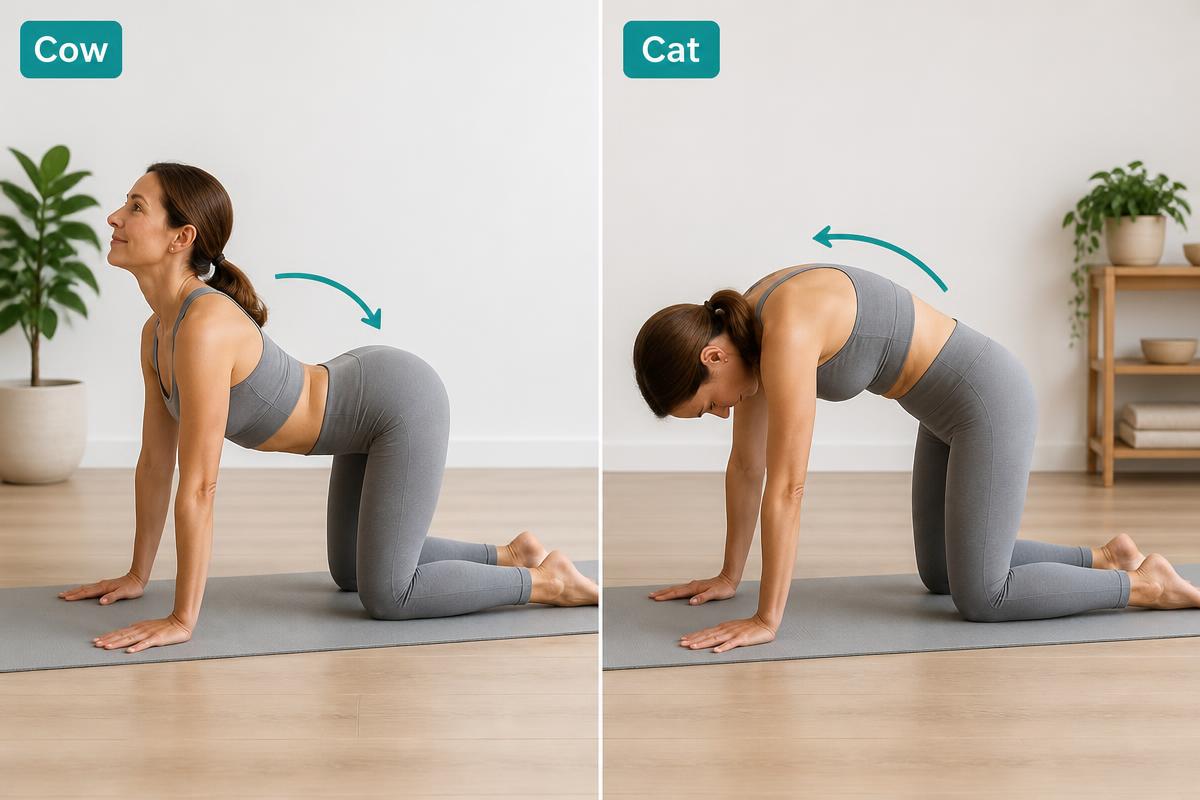
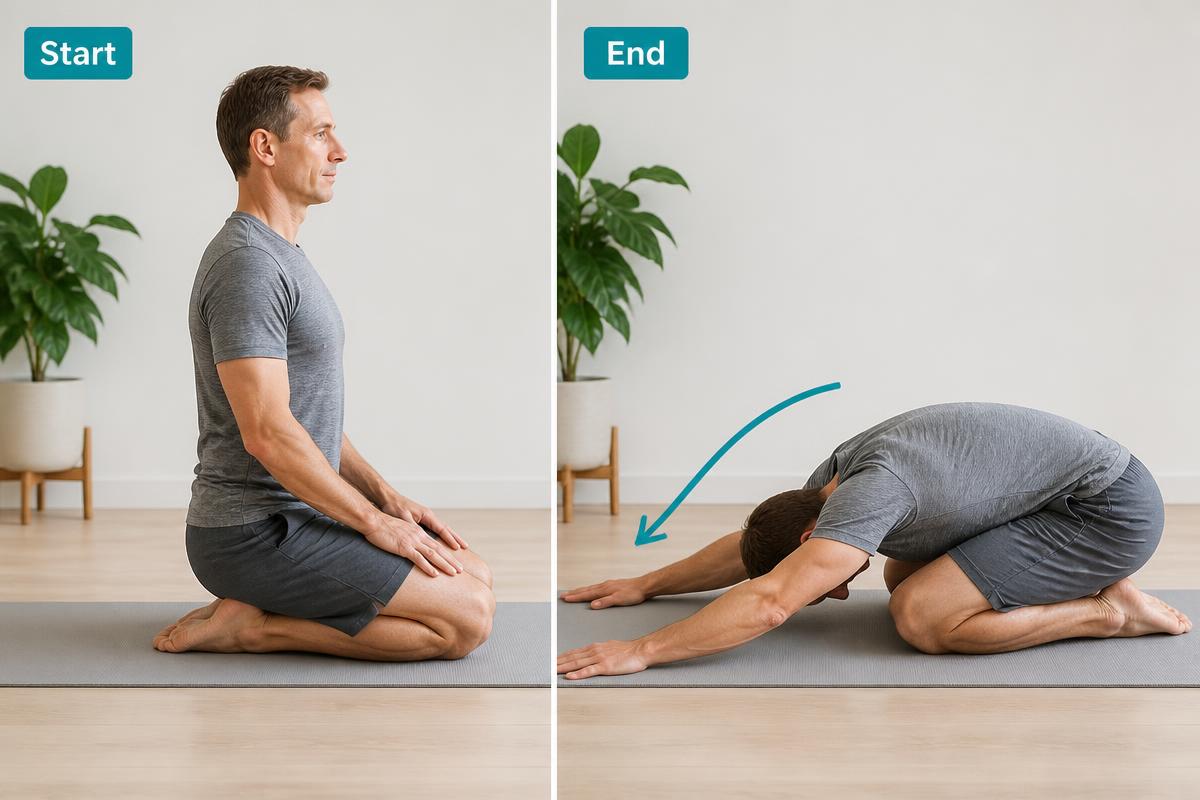
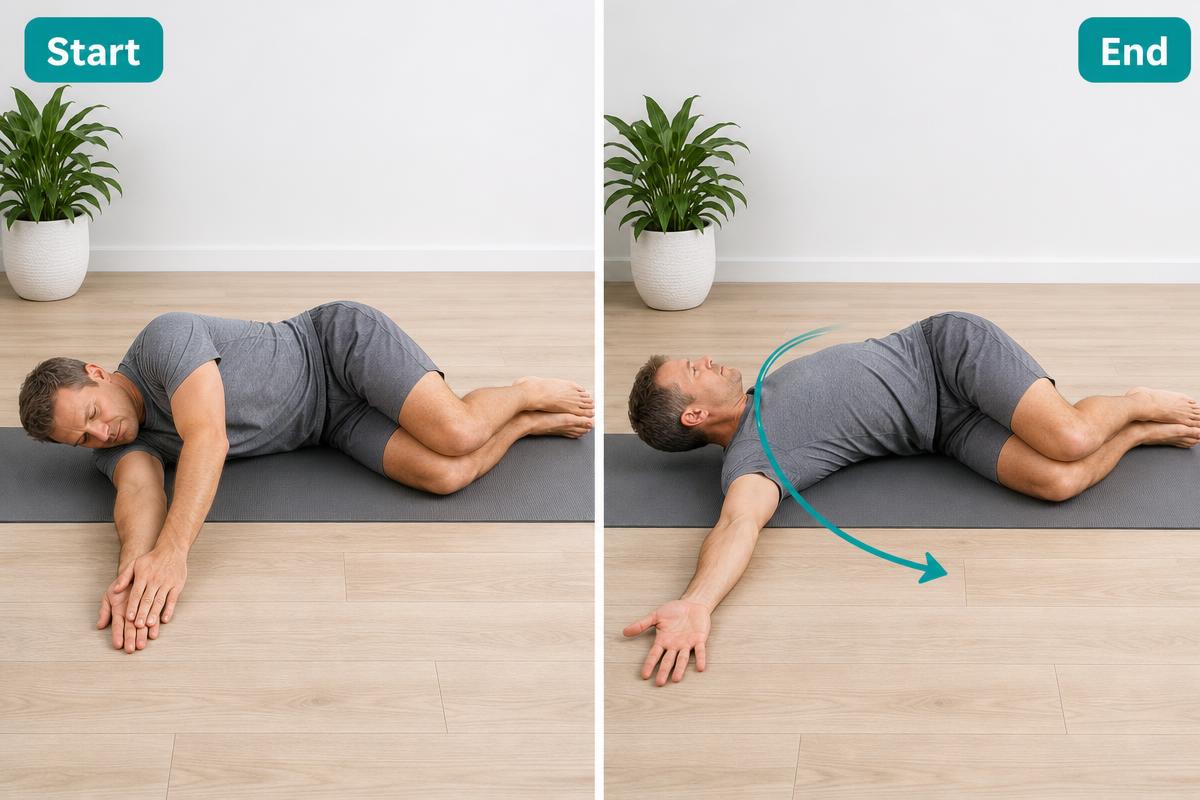
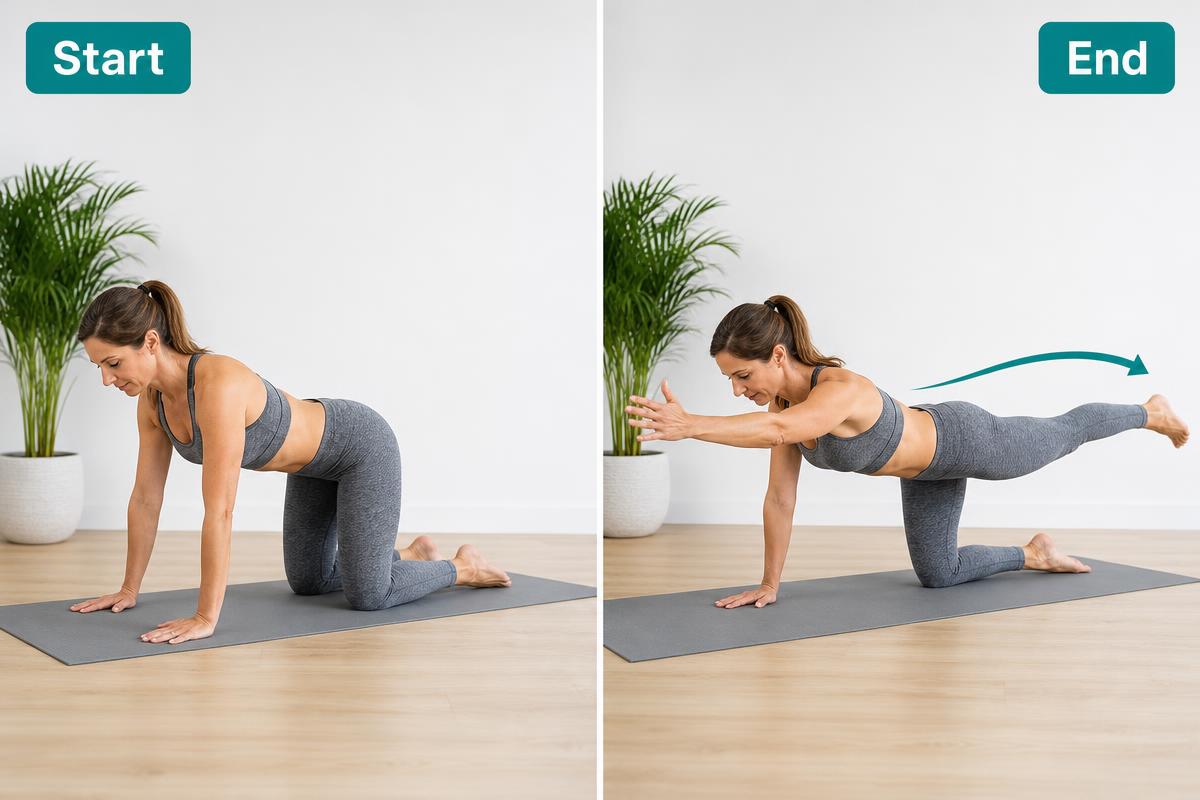
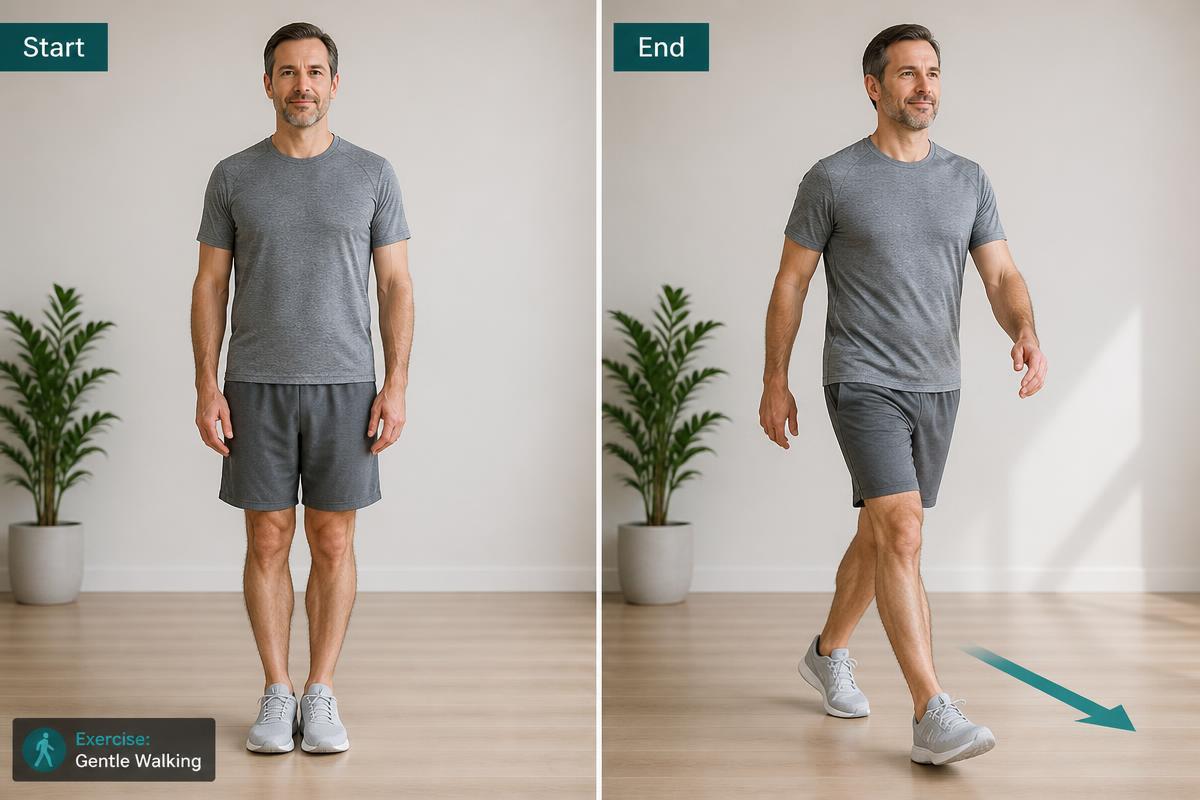
Self-Care
Daily Habits That Help
Stay Active
Daily movement keeps muscles balanced.
Strengthen Both Sides
Targeted work helps the weaker side catch up.
Mind Your Setup
Neutral posture and even loading protect the spine.
Sleep Supported
A supportive mattress and pillow reduce morning aches.
Regular Check-Ins
Track curves and function with your provider over time.
Bone Health
Adequate calcium, vitamin D, and loading exercise protect vertebrae.
Home Care
Heat vs Ice
When heat may help
- Chronic stiffness or ongoing tightness
- Before stretching or gentle movement
- Muscle spasms and tension
When ice may help
- New injury within the first 24–48 hours
- Swelling or a warm, inflamed area
- After a flare-up from overuse
If pain is severe, worsening, or lasts more than a couple of weeks, check in with a licensed healthcare professional.
When to Seek Immediate Medical Care
The following symptoms need prompt evaluation by a licensed medical professional:
- Rapid change in curve or posture
- Progressive leg weakness or numbness
- Loss of bowel or bladder control
- Difficulty breathing with severe curves
- Severe pain after a fall
- Unexplained weight loss with back pain
FAQ
Frequently Asked Questions
Related Conditions
Related Stretches
Disclaimer: The information on this page is for educational purposes only and is not a substitute for professional medical advice, diagnosis, or treatment. Always seek the advice of a qualified healthcare provider with any questions you may have.