Tailbone Pain: Causes, Stretches & AI-Powered Guidance
Learn what may be irritating your coccyx, find positions and stretches that may help, and get a free personalized plan.
Overview
What Is Tailbone Pain?
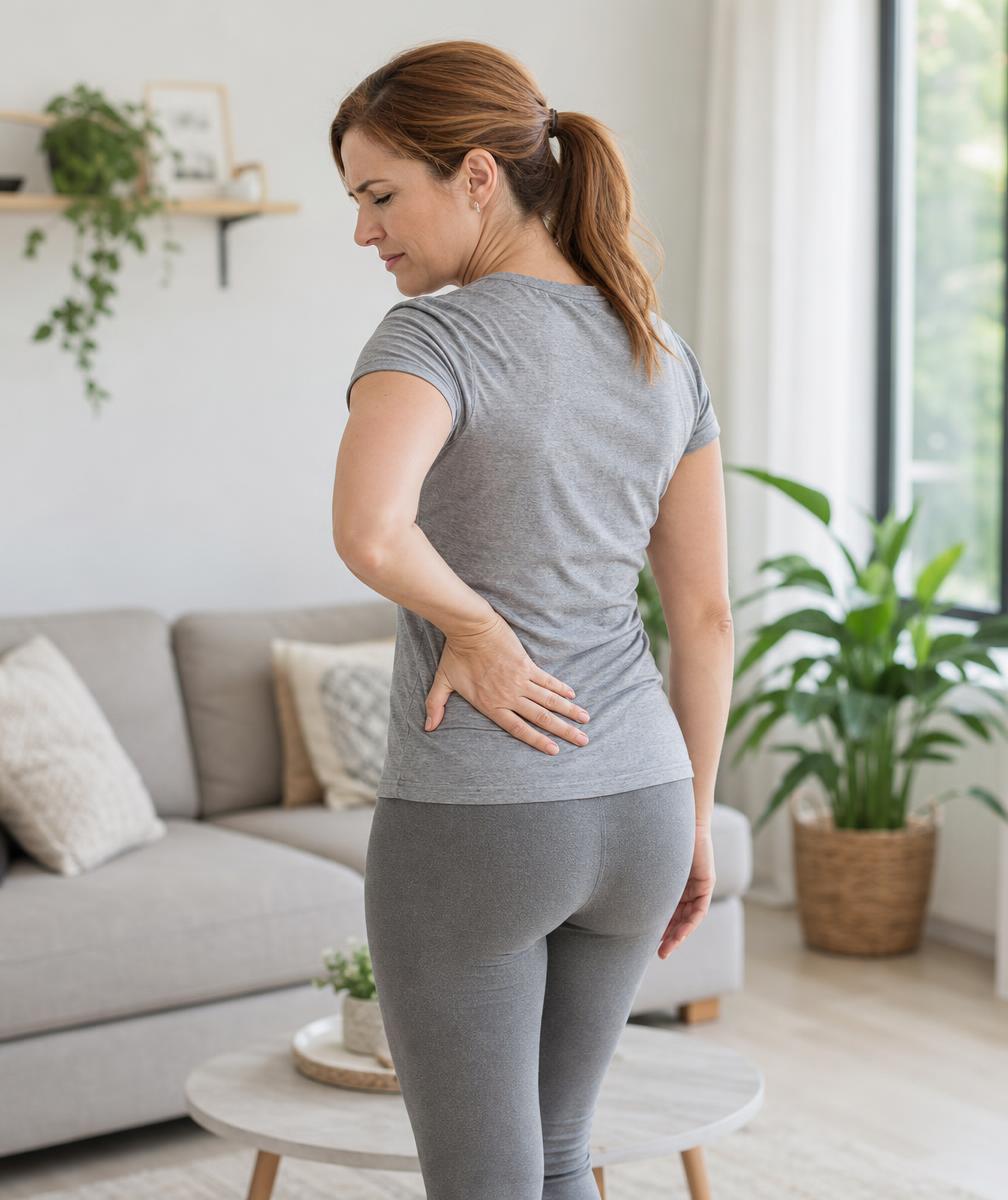
Tailbone pain (coccydynia) is discomfort at the very bottom of your spine — the small triangular bone called the coccyx. It usually hurts most when sitting, especially on hard surfaces.
Common triggers include falls onto the tailbone, childbirth, long sitting, and pelvic-floor tension.
Symptoms are usually localized: sharp pain when sitting, pain moving from sit to stand, and tenderness right over the bone.
Most tailbone pain improves within weeks to a few months with cushion support, activity modification, and gentle mobility work.
Common Causes
Why Does My Tailbone Hurt?
Fall onto Tailbone
A direct impact can bruise or injure the coccyx.
Read about Fall onto Tailbone →Childbirth
The coccyx can be strained during delivery.
Read about Childbirth →Prolonged Sitting
Hours on hard surfaces irritate the area.
Read about Prolonged Sitting →Pelvic Floor Tension
Tight pelvic floor muscles can pull on the coccyx.
Read about Pelvic Floor Tension →Repetitive Cycling
Long saddle time can inflame the region.
Read about Repetitive Cycling →Rapid Weight Change
Sudden loss or gain changes coccyx cushioning.
Read about Rapid Weight Change →Constipation & Straining
Straining puts stress on the coccyx.
Read about Constipation & Straining →Arthritic Changes
Occasional joint changes at the coccyx cause pain.
Read about Arthritic Changes →
Symptoms
Common Symptoms
- Pain sitting
- Pain moving from sit to stand
- Tenderness over the tailbone
- Pain during bowel movements
- Pain worse leaning back
- Bruised feeling in the tailbone
- Pain during intercourse
- Pain relieved by standing or walking
Not Sure What's Causing Your Pain?
Symptoms from muscle strain, disc issues, nerve irritation, and joint problems often overlap. Our AI assessment asks a short set of questions about where you feel pain, how it moves with you, what makes it better or worse, and your history — then gives you personalized educational guidance and a stretch routine to try. It is not a medical diagnosis.
Recommended
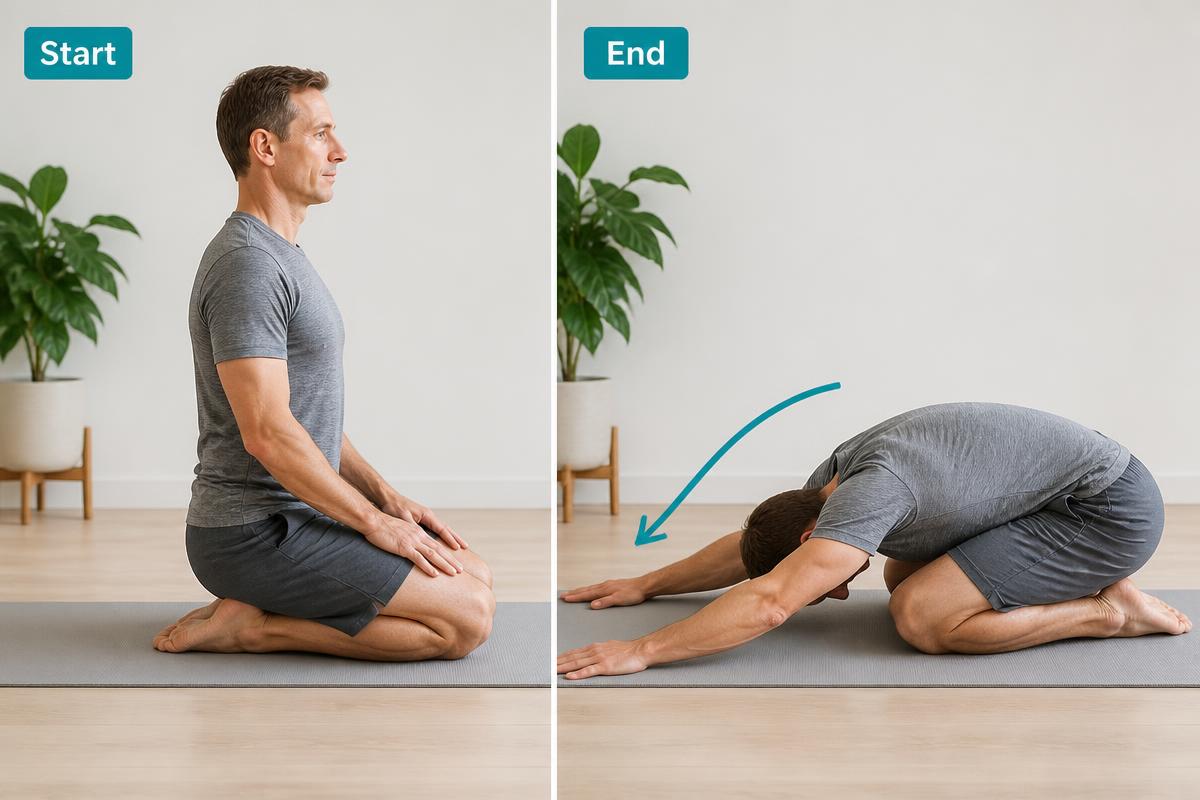
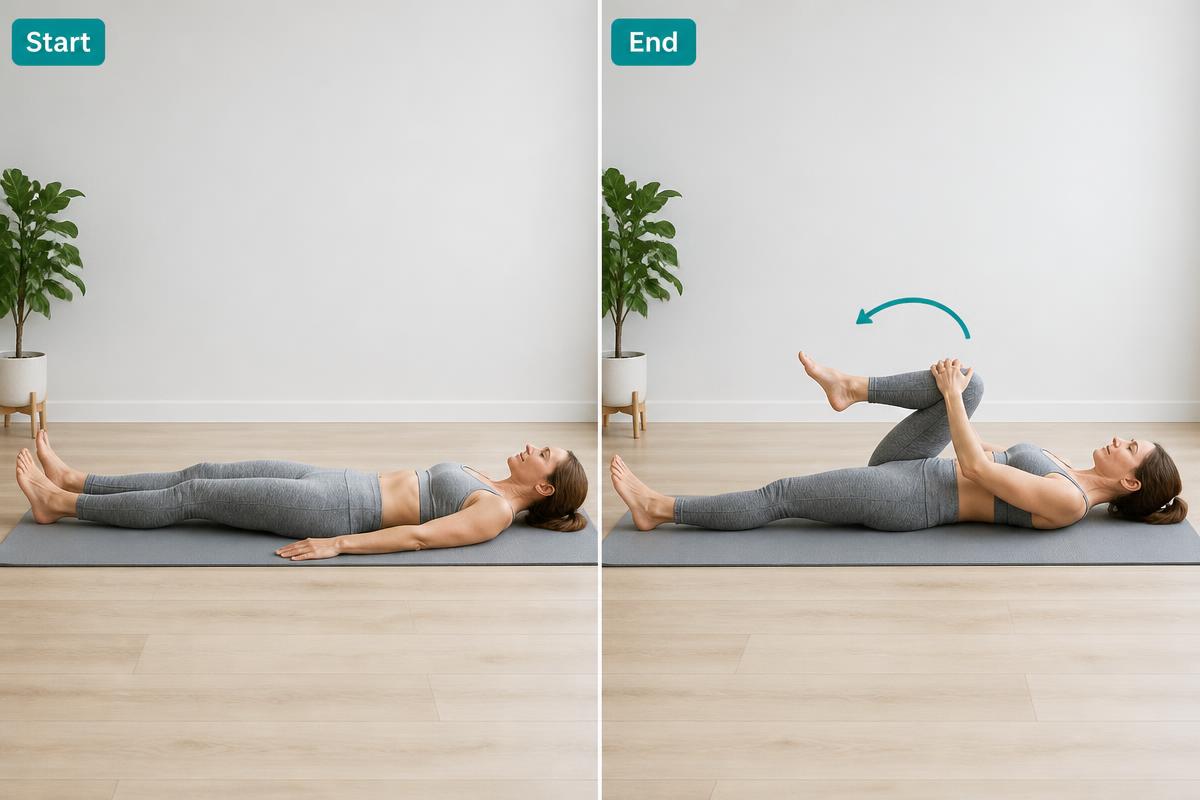
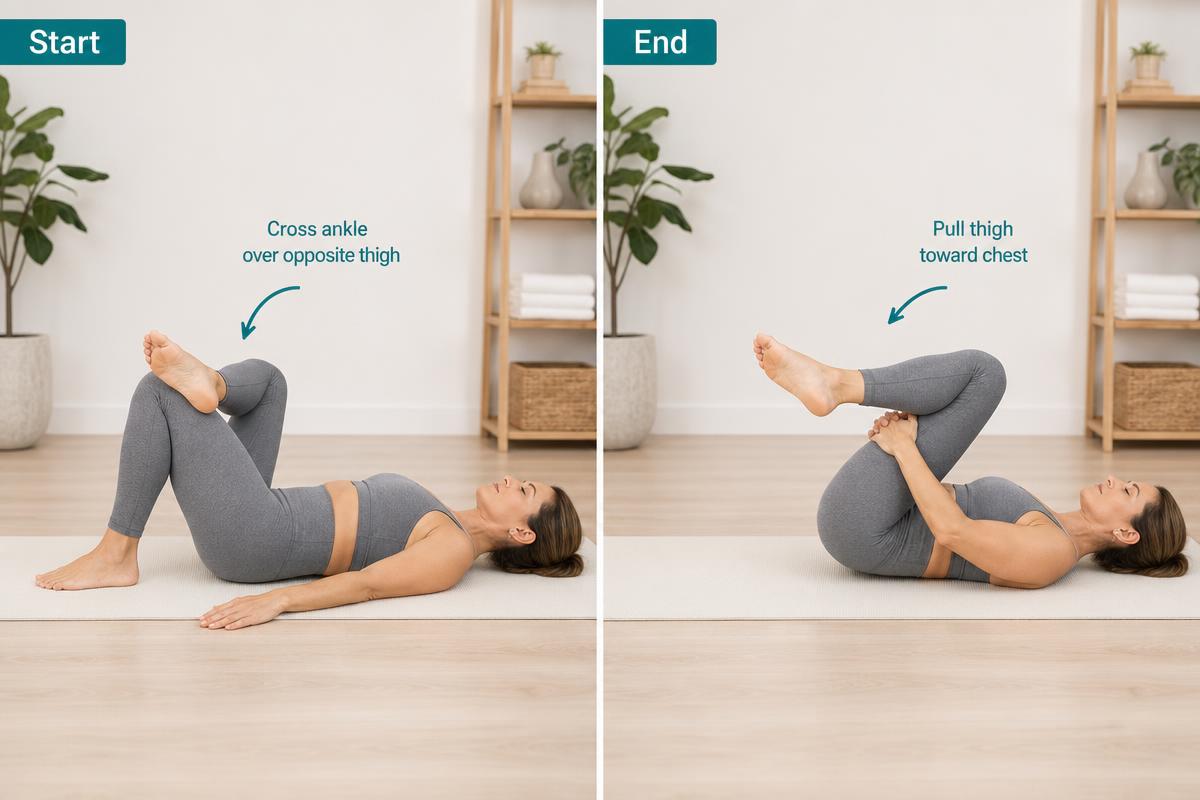
Stretches That May Help
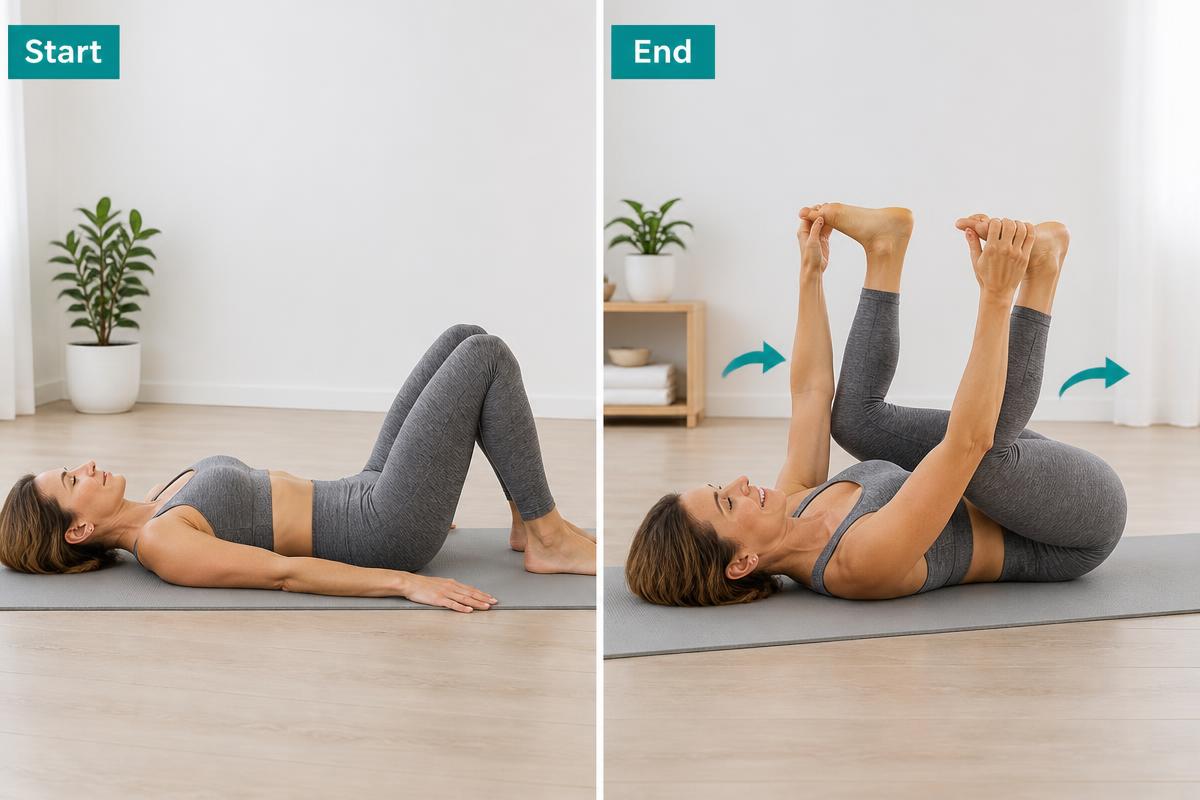
Self-Care
Daily Habits That Help
Use a Coccyx Cushion
A U- or wedge-shaped cushion takes pressure off the tailbone.
Lean Forward When Sitting
Shifting weight to your thighs reduces coccyx load.
Change Positions Often
Long sitting flares tailbone pain.
Warm Baths
Warm baths help pelvic muscles relax.
Manage Constipation
Fiber and hydration reduce straining.
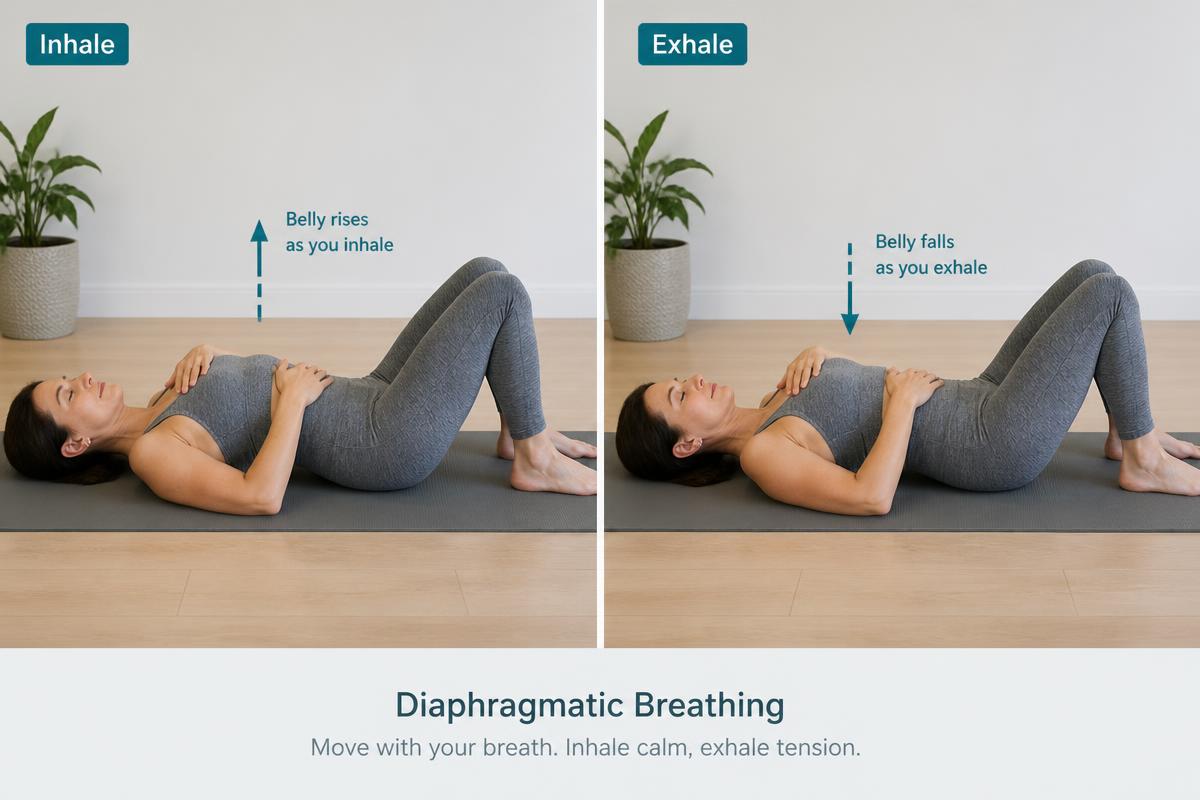
Gentle Pelvic Breathing
Diaphragmatic breathing calms pelvic-floor tension.
Home Care
Heat vs Ice
When heat may help
- Chronic stiffness or ongoing tightness
- Before stretching or gentle movement
- Muscle spasms and tension
When ice may help
- New injury within the first 24–48 hours
- Swelling or a warm, inflamed area
- After a flare-up from overuse
If pain is severe, worsening, or lasts more than a couple of weeks, check in with a licensed healthcare professional.
When to Seek Immediate Medical Care
The following symptoms need prompt evaluation by a licensed medical professional:
- Severe pain after major trauma
- Fever with tailbone pain
- Progressive weakness or numbness in legs
- Loss of bowel or bladder control
- Bleeding or discharge from the area
- Unexplained weight loss
FAQ
Frequently Asked Questions
Related Conditions
Related Stretches
Disclaimer: The information on this page is for educational purposes only and is not a substitute for professional medical advice, diagnosis, or treatment. Always seek the advice of a qualified healthcare provider with any questions you may have.