Piriformis Syndrome: Causes, Stretches & AI-Powered Guidance
Learn how a tight piriformis muscle can compress the sciatic nerve, find stretches that may help, and get a free personalized plan.

Overview
What Is Piriformis Syndrome?
The piriformis is a small, deep muscle in your buttock. It sits right on top of the sciatic nerve. When it becomes tight or spasms, it can compress the nerve and mimic sciatica.
Typical symptoms include deep buttock pain, pain sitting for long periods, and pain that may travel down the back of the thigh.
Long sitting, running, cycling, and weak glutes are common contributors.
The good news: piriformis syndrome usually responds quickly to targeted stretching, glute strengthening, and better sitting habits.
Common Causes
Why Does My Piriformis Syndrome Hurt?
Prolonged Sitting
Long sitting shortens and irritates the piriformis.
Read about Prolonged Sitting →Running & Cycling
Repetitive hip motion can tighten deep glute muscles.
Read about Running & Cycling →Weak Glutes
The piriformis overworks when bigger glutes are underactive.
Read about Weak Glutes →Wallet in Back Pocket
Sitting on a wallet compresses the muscle and nerve.
Read about Wallet in Back Pocket →Sudden Increase in Activity
Too much too soon overloads the piriformis.
Read about Sudden Increase in Activity →Trauma
A fall onto the buttock can trigger spasm.
Read about Trauma →Hip Anatomy
Some people's sciatic nerve runs through the piriformis.
Read about Hip Anatomy →Repetitive Twisting
Golf, tennis, and rotational sports can flare it.
Read about Repetitive Twisting →
Symptoms
Common Symptoms
- Deep buttock pain
- Pain sitting for long periods
- Pain down the back of the thigh
- Tenderness in the buttock
- Pain climbing stairs
- Pain crossing legs
- Numbness or tingling in the leg
- Reduced hip rotation
Not Sure What's Causing Your Pain?
Symptoms from muscle strain, disc issues, nerve irritation, and joint problems often overlap. Our AI assessment asks a short set of questions about where you feel pain, how it moves with you, what makes it better or worse, and your history — then gives you personalized educational guidance and a stretch routine to try. It is not a medical diagnosis.
Recommended
Stretches That May Help
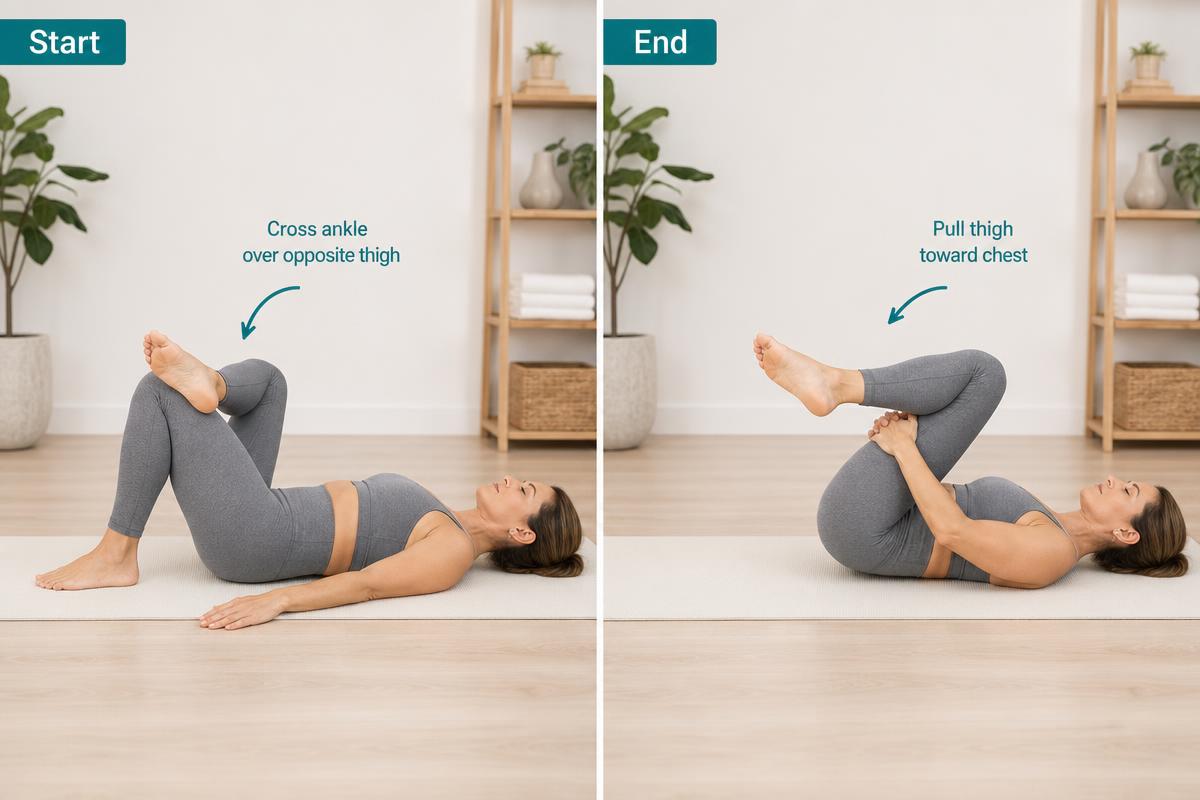
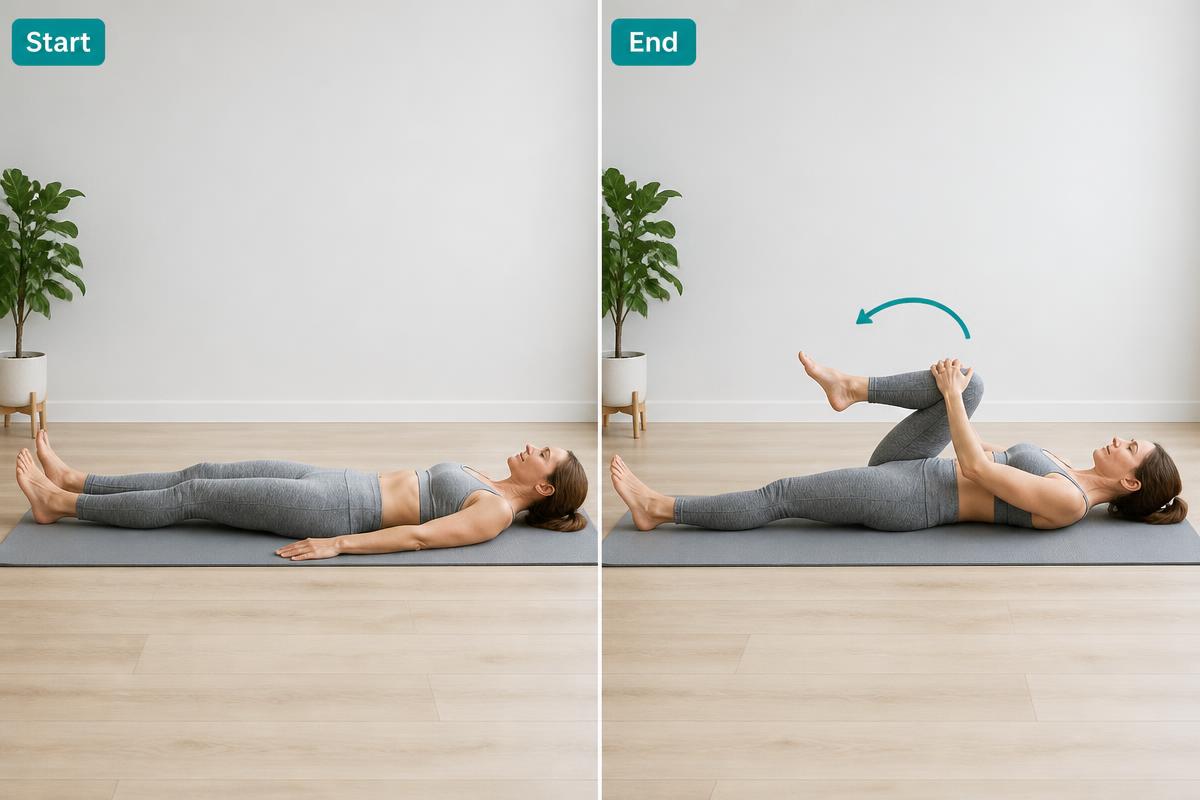
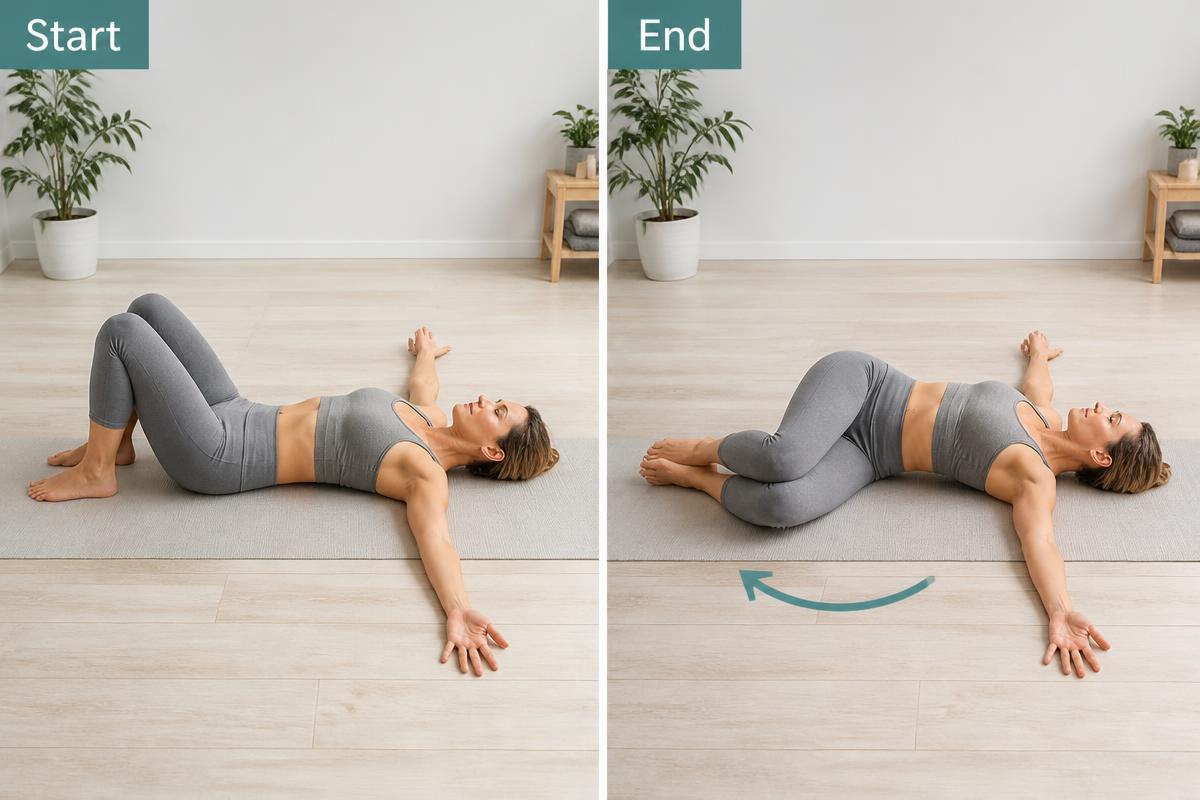
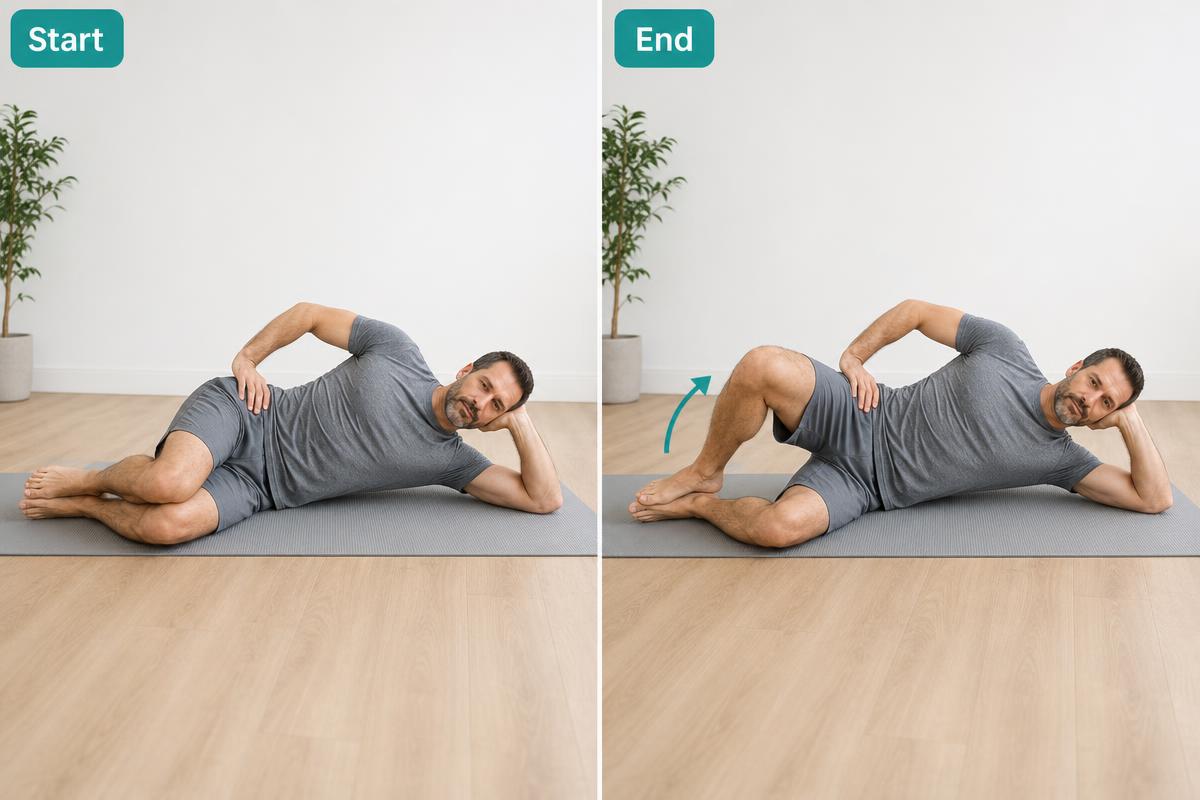
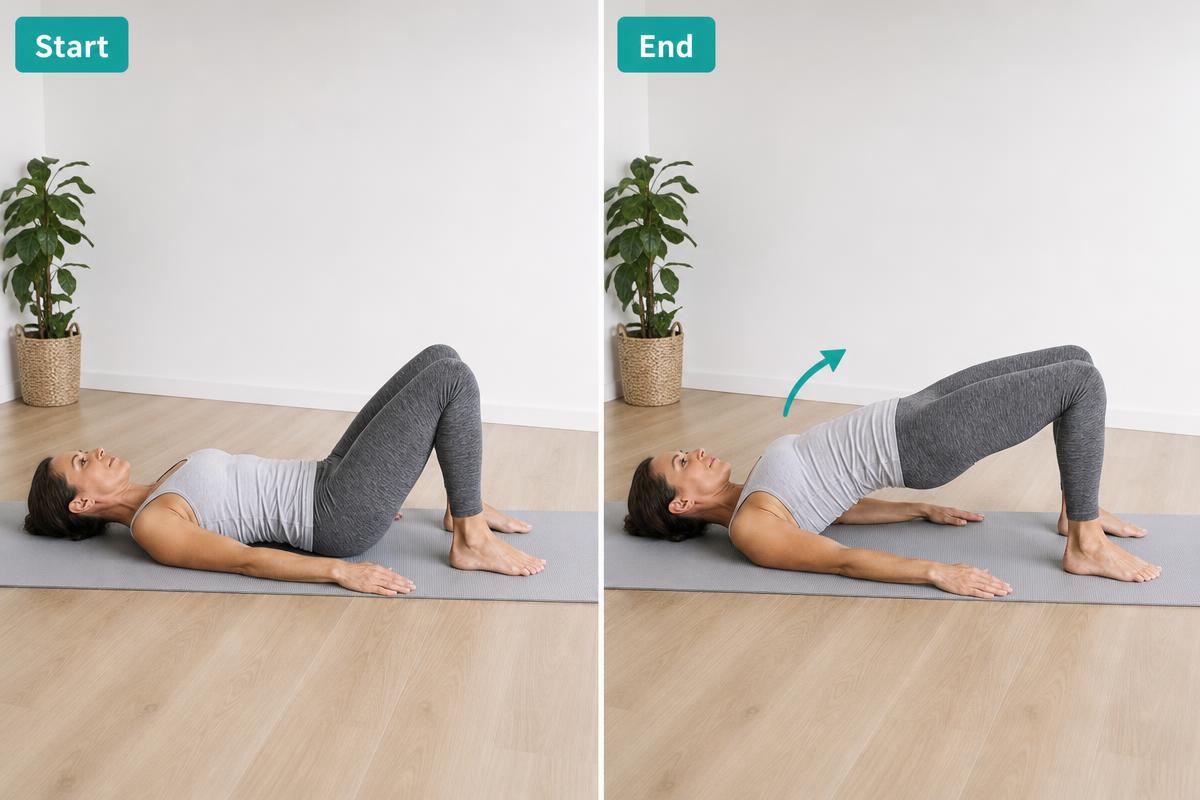
Self-Care
Daily Habits That Help
Stand Every 30 Minutes
Break up long sitting to reduce buttock pressure.
Empty Back Pocket
Never sit on a wallet or phone in the back pocket.
Warm Up Before Exercise
A short glute warm-up protects the piriformis.
Strengthen Glutes
Stronger big glutes take strain off the piriformis.
Stretch Daily
A quick figure-4 daily keeps the muscle loose.
Ergonomic Sitting
Level pelvis, both feet flat, avoid crossing legs.
Home Care
Heat vs Ice
When heat may help
- Chronic stiffness or ongoing tightness
- Before stretching or gentle movement
- Muscle spasms and tension
When ice may help
- New injury within the first 24–48 hours
- Swelling or a warm, inflamed area
- After a flare-up from overuse
If pain is severe, worsening, or lasts more than a couple of weeks, check in with a licensed healthcare professional.
When to Seek Immediate Medical Care
The following symptoms need prompt evaluation by a licensed medical professional:
- Loss of bowel or bladder control
- Progressive weakness in one or both legs
- Major trauma (fall, car accident)
- Fever with back pain
- History of cancer with new back pain
- Unexplained weight loss
- Severe numbness in the saddle / inner-thigh area
FAQ
Frequently Asked Questions
Related Conditions
Related Stretches
Disclaimer: The information on this page is for educational purposes only and is not a substitute for professional medical advice, diagnosis, or treatment. Always seek the advice of a qualified healthcare provider with any questions you may have.